Dreaming about weekends on the water? If you are shopping for a Lake Wylie home with boat or dock access, the house itself is only part of the story. What really shapes your day-to-day experience is whether that access is usable, permitted, and easy to enjoy in real life. Let’s walk through what to look for so you can buy with more confidence.
Why Lake Access Means More Here
Lake Wylie is a large interstate reservoir on the South Carolina and North Carolina border. According to the South Carolina Department of Natural Resources, it covers 12,177 total acres, includes 325 miles of shoreline, and reaches a maximum depth of about 94 feet. That scale makes it a true boating lake, but it also means access can vary a lot from one property to the next.
Because Lake Wylie is a managed reservoir, your boating experience is tied to more than proximity to the water. Shoreline shape, water depth, cove location, dock setup, and permitting all matter. A home can look like a perfect lake property online and still be a poor fit if the access does not match how you plan to use the lake.
Common Access Types on Lake Wylie
When you search for homes in Lake Wylie, you may see several different types of water access. These setups can affect your convenience, maintenance responsibilities, and long-term costs.
Private Dock Access
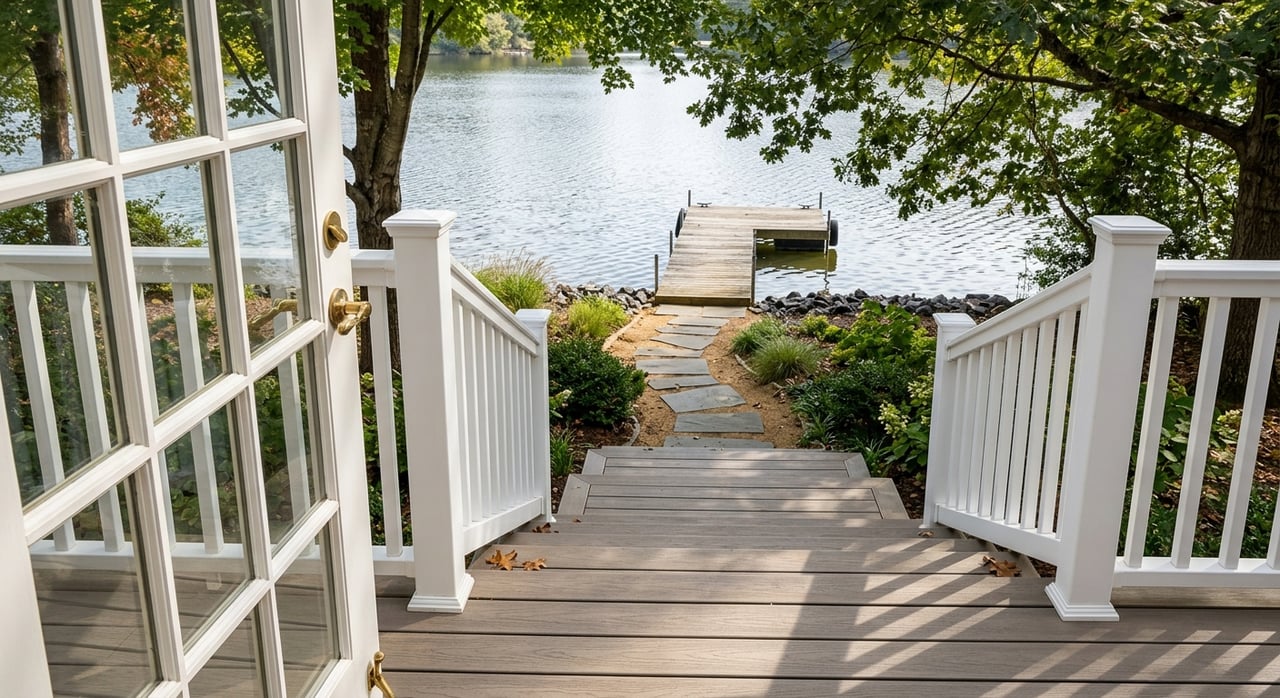
A private dock usually gives you the most control and the easiest spontaneous lake use. If you want to keep your boat close, head out early, or enjoy more privacy, this setup often feels the most convenient.
That said, private access also comes with the most personal responsibility. You may be the one handling repairs, upkeep, shoreline concerns, and compliance with shoreline rules.
Shared or Community Dock Access
A shared dock or community slip can be a strong middle ground. You get more direct lake use than a public launch usually offers, but with less individual maintenance than a private dock.
The trade-off is that shared access usually comes with rules. You may need to review ownership rights, slip assignments, guest use policies, fees, and any restrictions on boat size or lifts.
Marina Slip Access
Some buyers do not need a dock behind the house as long as they have dependable boat storage nearby. A marina slip can work well if your main goal is getting on the water without owning shoreline infrastructure.
This option can reduce the burden of dock maintenance at home. It may also mean less flexibility than keeping your boat at your own property, so it is important to think about how often and how casually you want to boat.
Public Launch and Park Access
If waterfront ownership is not a must, public access around Lake Wylie can still support an active boating lifestyle. York County’s Allison Creek Park includes four boat ramps, a kayak and canoe launch, a fishing dock, trails, picnic shelters, a playground, and overnight camping.
Ebenezer Park has three boat ramps open year-round from daylight to dark, and York County also offers an after-hours boating system there. Rock Hill Lake Park offers a quieter cove setting with a kayak and canoe launch, fishing stations, restrooms, trails, and a swim area.
Private Dock Versus Shared Access
The right choice often comes down to how you want to spend your time. If you love quick, frequent trips on the water, private dock access may feel worth the added upkeep.
If you would rather lower your maintenance load, a shared or public-access setup may be a better fit. You may give up some spontaneity, but you can still enjoy the lake without taking on as much shoreline responsibility.
| Access Type | Main Benefit | Main Trade-Off |
|---|---|---|
| Private dock | Maximum convenience and control | More maintenance and permitting responsibility |
| Shared dock/slip | Direct access with less personal upkeep | HOA or community rules, possible fees |
| Marina slip | Less home-based dock responsibility | Less immediate access from the property |
| Public launch access | Lower ownership burden | Gate rules, schedules, fees, and less privacy |
Why Permits Matter on Lake Wylie
On Lake Wylie, shoreline use is not just a property issue. It also involves Duke Energy’s shoreline management rules. Duke Energy’s guidance says the project boundary on Catawba River lakes is generally represented by 100 feet or the full pond elevation, and it recommends using the recorded survey to identify that boundary.
That matters because prior written approval is required before starting certain work within the boundary. This can include building or rebuilding piers, clearing vegetation, shoreline stabilization, planting vegetation, or excavating material.
Some uses are generally not allowed within the boundary, including septic tanks and drain fields, earth fill, swimming pools, and part of a permanent dwelling. For you as a buyer, that means you should not assume a dock or shoreline feature can simply be changed later without review.
Water Levels Can Change Your Experience
Lake Wylie is part of the interconnected Catawba-Wateree system, and Duke Energy manages water levels and flow releases across that system. Duke Energy also notes that after a storm, lake levels can remain higher than normal for several days.
That can affect more than just the view. Earlier Duke guidance warns that high water can create submerged debris, shoreline erosion, and damage to docks and boathouses.
This is why dock height, mooring depth, wake exposure, and shoreline condition deserve close attention during your home search. These are not small details. They directly affect usability, safety, and ownership costs.
What to Check Before You Buy
A Lake Wylie home with boat or dock access should be evaluated on both lifestyle and logistics. Before closing, it is smart to verify the access rights and how the setup works in everyday conditions.
Here are key items to check:
- Whether the dock is already Duke Energy permitted
- Whether the permit is transferable
- Whether access is deeded, shared, or tied to an HOA or park membership
- Who pays for dock repair, shoreline maintenance, insurance, and replacement reserves
- Whether the water is deep enough at the end of the dock during normal lake conditions
- Whether there are restrictions on boat size, lifts, or guest use
- Whether gate rules, after-hours access cards, or park fees apply if the property depends on a shared launch
These checks can help you avoid surprises after closing. They also give you a clearer picture of whether the property fits your boating habits, not just your budget.
Public Access Is a Real Alternative
Not every buyer needs a private dock to enjoy Lake Wylie. For some households, the better fit is an off-water or community-access home that keeps ownership simpler while still making boating realistic.
York County’s park system gives you several ways to enjoy the lake without maintaining your own waterfront improvements. Allison Creek Park and Ebenezer Park also offer after-hours access cards for boating only, with rules that the cards are non-transferable, cannot be shared, and are subject to resident and nonresident fees.
That means a non-waterfront home can still support the lifestyle you want. The key is being honest about how often you want to launch, how much convenience matters, and how much maintenance you are comfortable managing.
Access Can Affect Resale Appeal
Boat and dock access can also influence future buyer demand. The clearest takeaway is not that every dock adds the same value, but that usable, legally sound access often matters a great deal in lake markets.
Research cited in the report found that the ability to build and use a dock produced a statistically significant price premium of almost 45% compared with undockable properties in one South Carolina lake study. That is not a Lake Wylie-specific pricing rule, but it supports the bigger point: dockability, depth, and access rights can shape how appealing a property is when it is time to sell.
How to Buy Smarter on Lake Wylie
The best Lake Wylie purchase is not always the house closest to the water. It is the home where the access is legally usable, the shoreline fits your boating routine, and the maintenance load feels realistic for your lifestyle.
If you are buying for fishing, cruising, watersports, kayaking, or casual sunset rides, your ideal property may look different depending on how often you want to be on the lake and how hands-on you want to be with dock and shoreline care. A thoughtful review up front can save time, money, and stress later.
If you want help comparing lakefront, community-access, and off-water options in Lake Wylie, Ashley Hannah Murphy offers personalized guidance to help you find the right fit for your lifestyle and goals.
FAQs
What should you verify before buying a Lake Wylie home with a dock?
- You should verify permit status, whether the permit transfers, access rights, water depth at the dock, maintenance responsibility, and any HOA or usage restrictions.
What types of boat access are common for Lake Wylie homes?
- Buyers may find private docks, shared or community docks or slips, marina slips, and homes that rely on public boat ramps and park access.
Why do Duke Energy shoreline rules matter for Lake Wylie buyers?
- Duke Energy requires written approval for many activities within the project boundary, including some dock, vegetation, and shoreline work, so future changes may need review before you start.
Can you enjoy boating on Lake Wylie without owning a waterfront home?
- Yes. Public access options like Allison Creek Park and Ebenezer Park give many buyers a practical way to boat without taking on private shoreline maintenance.
How do changing water levels affect a Lake Wylie dock property?
- Water levels can affect dock usability, shoreline condition, debris exposure, and repair needs, especially after storms or extended high-water periods.