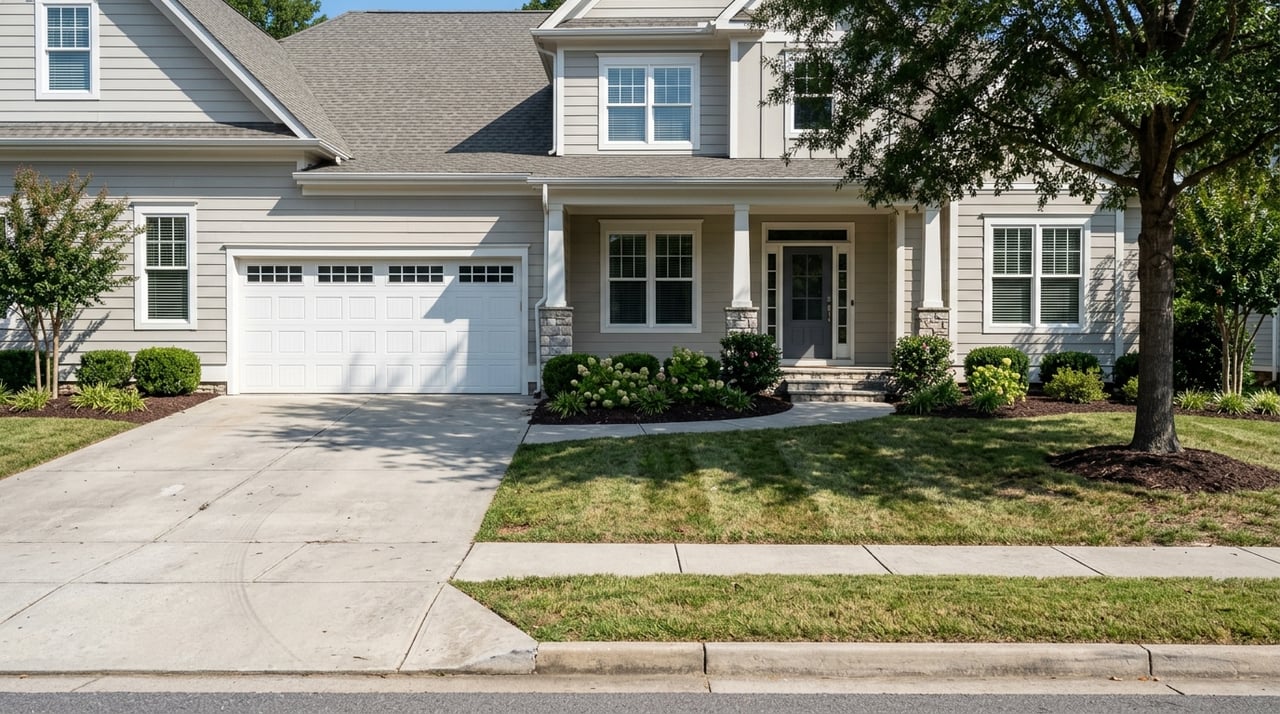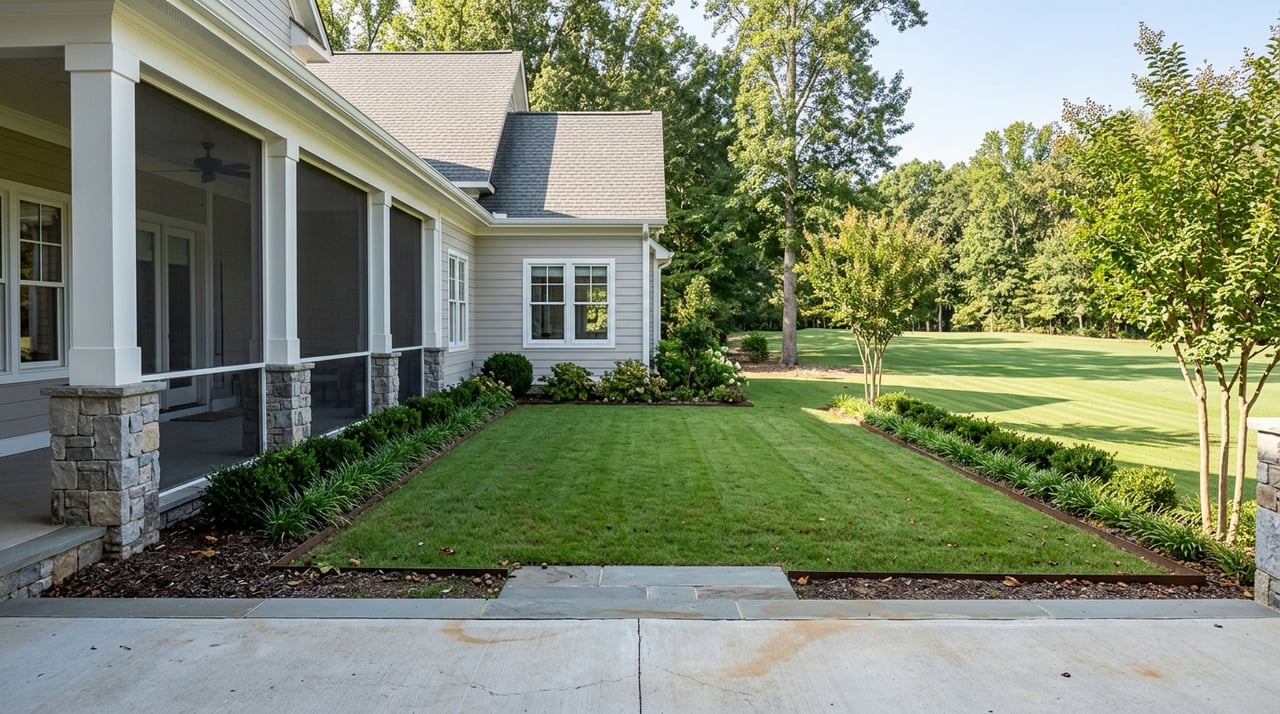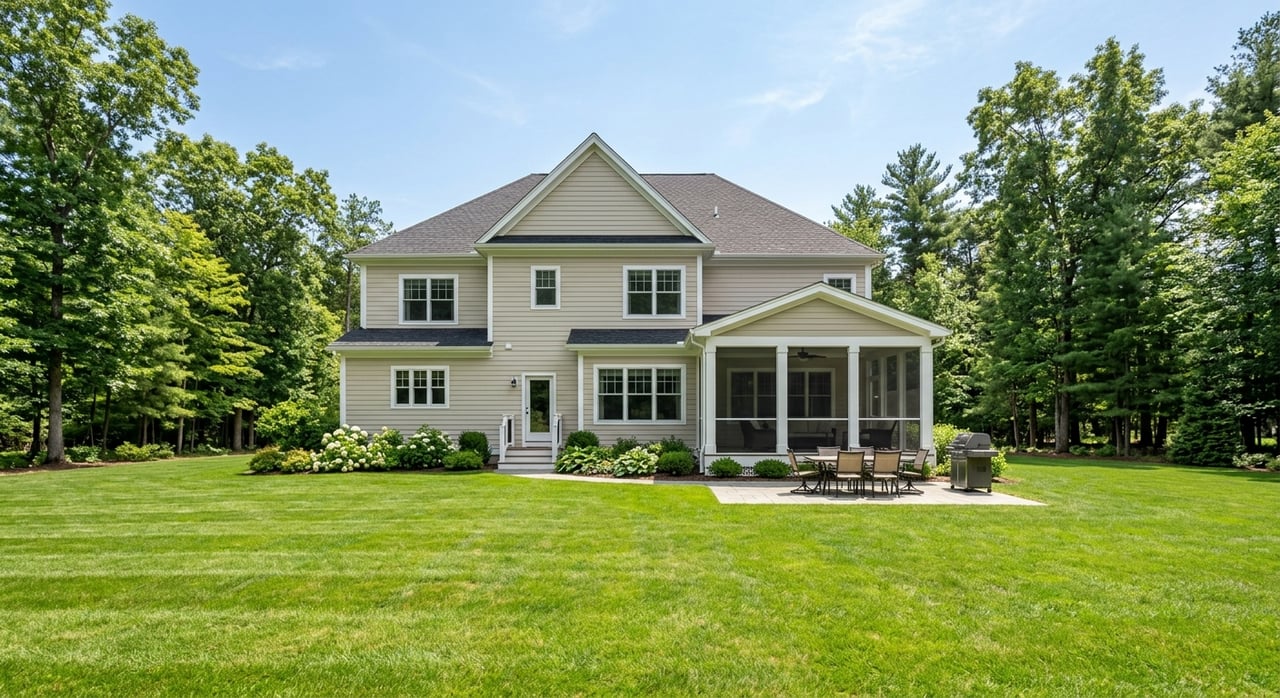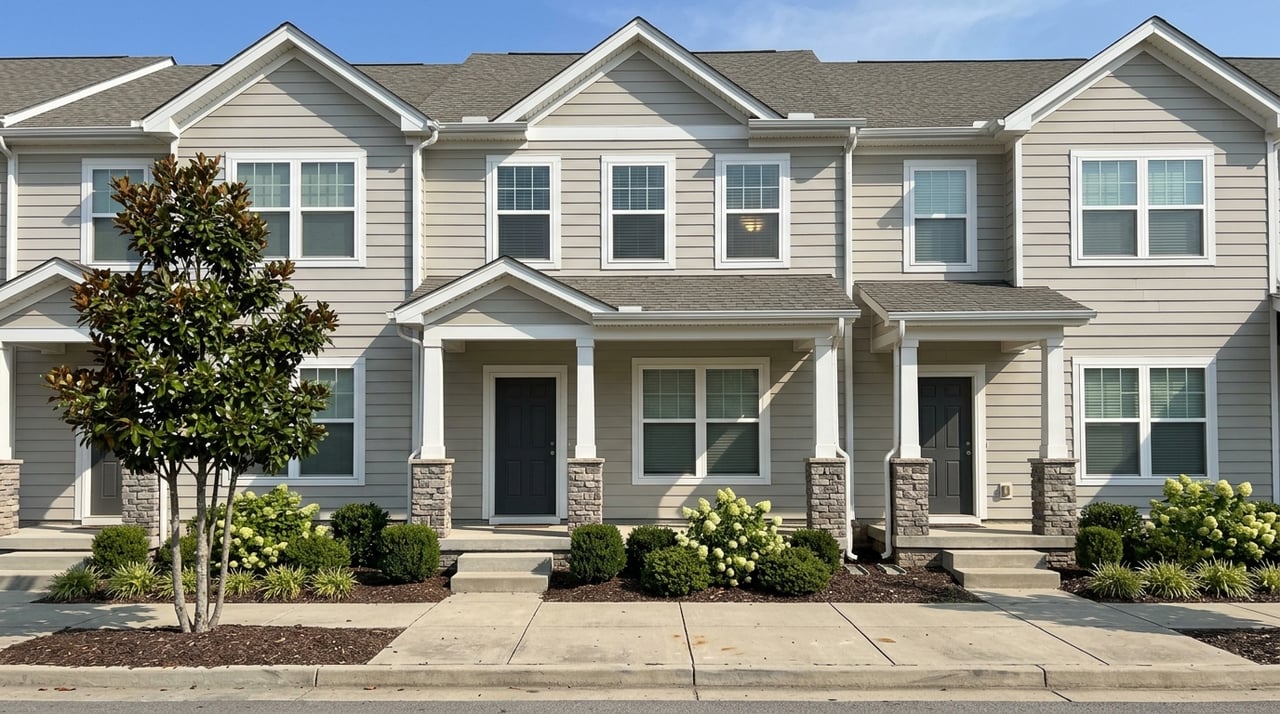
If you want Belmont living without the full workload of a detached house, a townhome or condo may be the sweet spot. You get a chance to enjoy this growing Gaston County market while keeping a close eye on budget, upkeep, and lifestyle fit. The key is knowing that in Belmont, attached-home choices can look similar on the outside but work very differently once you dig into HOA rules, fees, and ownership details. Let’s dive in.
Belmont Attached-Home Market Snapshot
Belmont’s broader 28012 market remains relatively firm. Zillow’s Belmont home value index is $437,986, while Realtor.com reports a median listing price of $460,000, median days on market of 47, and 443 active listings.
If you are focused on attached homes, the townhome side is much deeper than the condo side right now. Current listings show about 64 townhomes for sale in Belmont, compared with just 3 active condo listings on Zillow.
That supply difference matters when you start shopping. Townhome buyers may have more choices in size, price, and layout, while condo buyers may need to move quickly when a unit that fits their needs hits the market.
Belmont Price Ranges to Expect
Belmont condos and townhomes cover a wider price range than many buyers expect. Current condo examples range from about $197,500 for a compact 2-bedroom unit to $559,000 for a much larger 4-bedroom, 4-bath condo over 2,100 square feet.
Townhome pricing also varies quite a bit. Current examples range from about $299,900 for a 3-bedroom, 2.5-bath home around 1,380 square feet to the mid-$500,000s for newer 3- and 4-bedroom plans over 2,000 square feet.
In practical terms, many Belmont townhomes cluster in the low-to-mid $300,000s for smaller and mid-size options. If you want newer construction, more square footage, or a premium location, your price point may move well above $500,000.
Why Legal Setup Matters More
One of the biggest mistakes buyers make is assuming a home is a condo or a townhome based only on how it looks. In North Carolina, the legal structure of the community often matters more than the marketing label in the listing.
Chapter 47C governs condominiums created after October 1, 1986. Chapter 47F governs planned communities created on or after January 1, 1999, with some exceptions. The North Carolina Real Estate Commission also notes that many HOAs formed after that date fall under the Planned Community Act, while condos are typically governed by the Condominium Act.
For you as a buyer, this means you should verify the declaration and community documents before assuming what you own and what the HOA maintains. Two attached homes can look nearly identical from the curb and still come with very different maintenance duties, insurance structure, and rules.
Condo vs Townhome Trade-Offs
Condos often appeal to buyers who want a more hands-off lifestyle. In many condo setups, the association takes on more responsibility for common elements, and there is usually more structure around insurance, upkeep, and shared property management.
Townhomes often give you more living space, a private entrance, and features like attached or rear-load garages. That said, townhome communities can vary a lot, so your dues may cover several exterior items in one neighborhood and very little in another.
The best choice usually comes down to your daily lifestyle. If you want less direct exterior upkeep, a condo may feel simpler. If you want more room and a layout that feels closer to a single-family home, a townhome may fit better.
Common Belmont Floor Plans
Belmont townhomes currently tend to skew toward 2 to 4 bedrooms and about 1,150 to 2,450 square feet. Many have two-story layouts, open-concept main living areas, kitchen islands, and attached or rear-load garages.
Current listing examples include a 2-bedroom, 2.5-bath townhome on Dorman Street around 1,151 square feet and a 3-bedroom, 2.5-bath new-construction home on Nighthawk Way around 1,708 square feet. Other listings include larger layouts with garage space, open floor plans, and HOA-managed community features.
Belmont condos are more varied than some buyers expect. You can find compact units under 800 square feet, mid-size 2-bedroom homes around 1,050 to 1,100 square feet, and much larger condo layouts with 4 bedrooms and over 2,100 square feet.
HOA Fees Can Change the Math
A lower purchase price does not always mean a lower monthly cost. Belmont HOA dues vary sharply by community, which is why you should compare the full monthly picture instead of focusing only on list price.
Current listing examples show a River Park townhome at $139 per month, Belmont Crossing at $201 per month, and Waters Edge at $361 per month. Condo examples include Southwood Arms at $140 per month, River Drive at $297 per month, and a larger Catawba-area condo at $435 per month.
That range is a reminder to ask what the dues actually cover. In one community, your fee may include more exterior maintenance or shared amenities. In another, you may still be responsible for more than you expected.
What to Review Before You Offer
Before you write an offer on a Belmont condo or townhome, ask for the full community paperwork. In North Carolina, condo statutes require detailed disclosure for certain sales, including information on fees, insurance, reserves, liens, and other material items.
The North Carolina Real Estate Commission also treats HOA and covenant status as a material fact. Sellers of condominiums, townhouses, and similar homes are also subject to the Residential Property and Owners’ Association Disclosure Statement.
Make sure you review the declaration, bylaws, budget, insurance summary, and any resale or disclosure packet available for the property. Association records must be made reasonably available for inspection under North Carolina law.
Key Questions to Ask
- What does the HOA fee cover?
- Who maintains the roof, siding, lawn, driveways, and shared utilities?
- Are there rental caps or leasing restrictions?
- Are there pet rules or parking limits?
- Are there planned special assessments?
- Does the association have reserve funds that appear adequate for the age of the property?
- Are there any special use rights tied to the home, such as boat access or similar community-specific features?
Belmont Lifestyle Appeal
Belmont’s local planning vision helps explain why attached homes are such an important part of the market. The city describes itself as the only city in the Charlotte metro located entirely on a peninsula, and its planning goals emphasize small-town character, walkable development, and connected streets, greenways, and pedestrian pathways.
Belmont’s adopted Comprehensive Land Use Plan supports protecting existing neighborhoods while directing growth toward walkable Village Centers. The current Crescent Project, which would add 47 townhomes and 259 multifamily flats near downtown, reinforces that attached housing is part of Belmont’s ongoing growth pattern.
For buyers, that means condos and townhomes are not just starter options. They are also a practical fit for people who want easier maintenance and access to Belmont’s parks, trails, and downtown areas.
Parks, Trails, and Location
Belmont highlights outdoor spaces such as Stowe Park, Kevin Loftin Riverfront Park, Rocky Branch Park, and local walking routes. Rocky Branch Park is described as about one mile from Main Street shops and restaurants and about 12 miles west of uptown Charlotte.
That setting adds to the appeal of attached homes for both first-time buyers and downsizers. If you want a home base that lets you spend less time on upkeep and more time enjoying Belmont, this category deserves a closer look.
Property Taxes to Budget For
When you plan your monthly payment, do not overlook property taxes. Belmont’s 2025 combined city and county tax rate is $1.0540 per $100 of value.
Using that rate, a taxable value of $300,000 works out to about $3,162 per year in property taxes. A taxable value of $400,000 works out to about $4,216 per year, before any exemptions or special district taxes.
Gaston County is on a four-year reappraisal cycle, with the most recent reappraisal effective January 1, 2023. That is helpful context when you are estimating long-term ownership costs.
How to Choose the Right Fit
If you are deciding between a Belmont condo and a Belmont townhome, start with your lifestyle before you start with square footage. Think about how much maintenance you want to handle, how important storage and garage space are, and how comfortable you are with HOA structure and shared rules.
Then look closely at the numbers. Monthly dues, property taxes, insurance needs, and future maintenance obligations can make two similarly priced homes feel very different once you own them.
Most of all, remember that attached-home shopping in Belmont is community-specific. The smartest buyers compare the declaration, dues, and responsibilities just as carefully as they compare kitchens, floor plans, and price per square foot.
If you are exploring condos or townhomes in Belmont and want clear, local guidance, Ashley Hannah Murphy can help you compare communities, understand the numbers, and move forward with confidence.
FAQs
What is the difference between a Belmont condo and a Belmont townhome?
- In Belmont, the legal structure matters more than the exterior style. A condo is usually governed by North Carolina condominium law, while many townhome communities fall under planned community rules, and that can affect maintenance, insurance, and HOA responsibilities.
How much do Belmont townhomes usually cost?
- Current Belmont townhome listings range from about $299,900 to the mid-$500,000s, with many smaller and mid-size options concentrated in the low-to-mid $300,000 range.
Are there many condos for sale in Belmont, NC?
- Condo inventory appears limited compared with townhomes. Current data shows about 3 active condo listings on Zillow versus about 64 Belmont townhomes for sale on Realtor.com.
What should you ask about a Belmont HOA before buying?
- You should ask what the dues cover, who maintains key exterior items, whether there are pet or parking rules, whether there are rental restrictions, and whether any special assessments are planned.
How much are HOA fees for Belmont condos and townhomes?
- Current listing examples range from about $139 per month to $435 per month, depending on the community and what the fee includes.
What are Belmont property taxes for condos and townhomes?
- At Belmont’s 2025 combined city and county tax rate of $1.0540 per $100 of value, a $300,000 taxable value is about $3,162 annually and a $400,000 taxable value is about $4,216 annually, before exemptions or special district taxes.