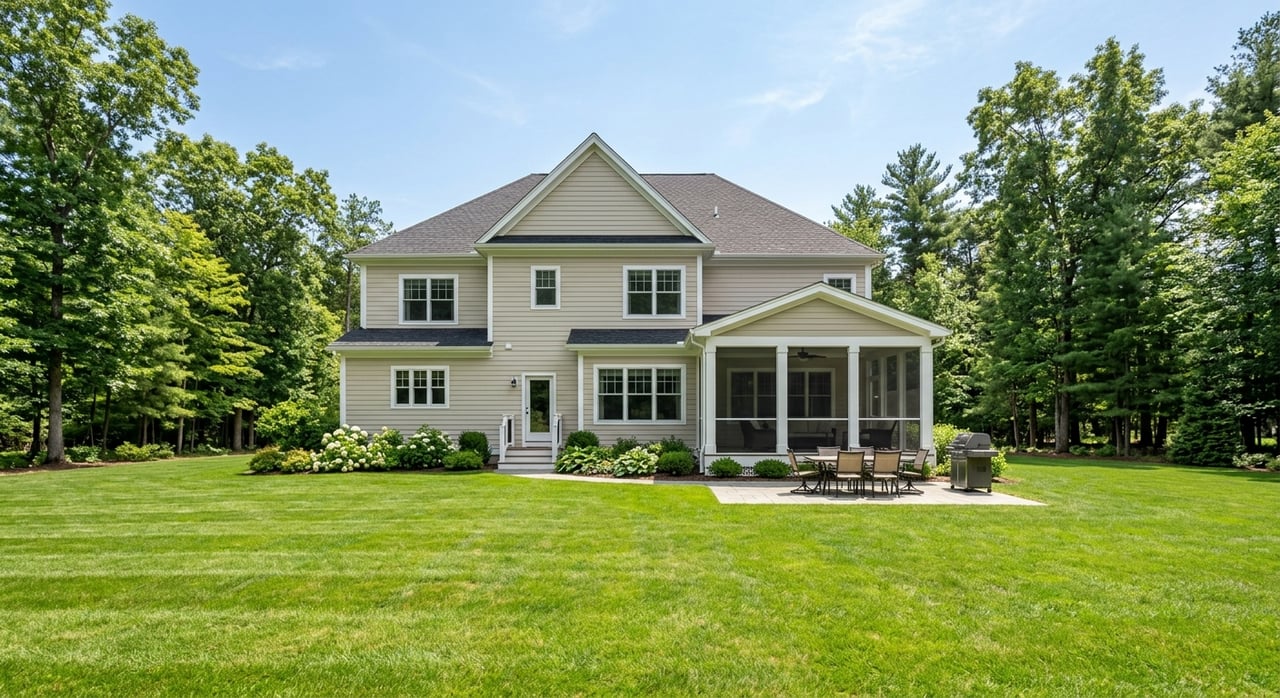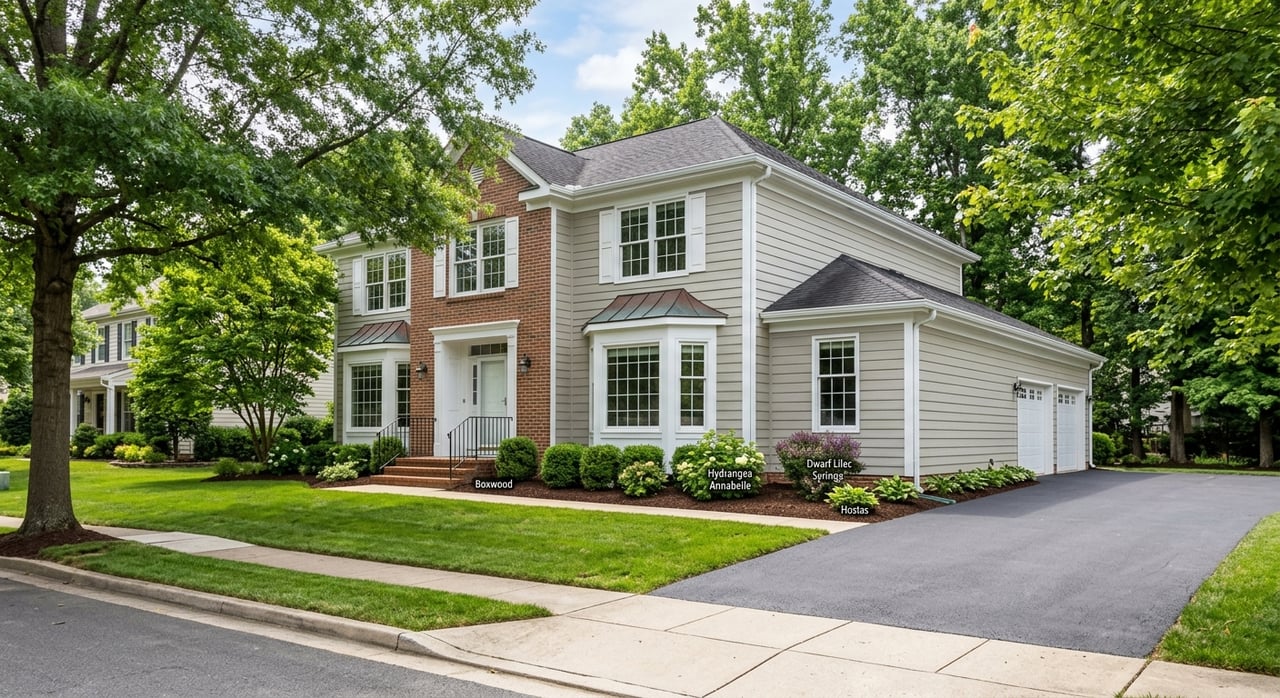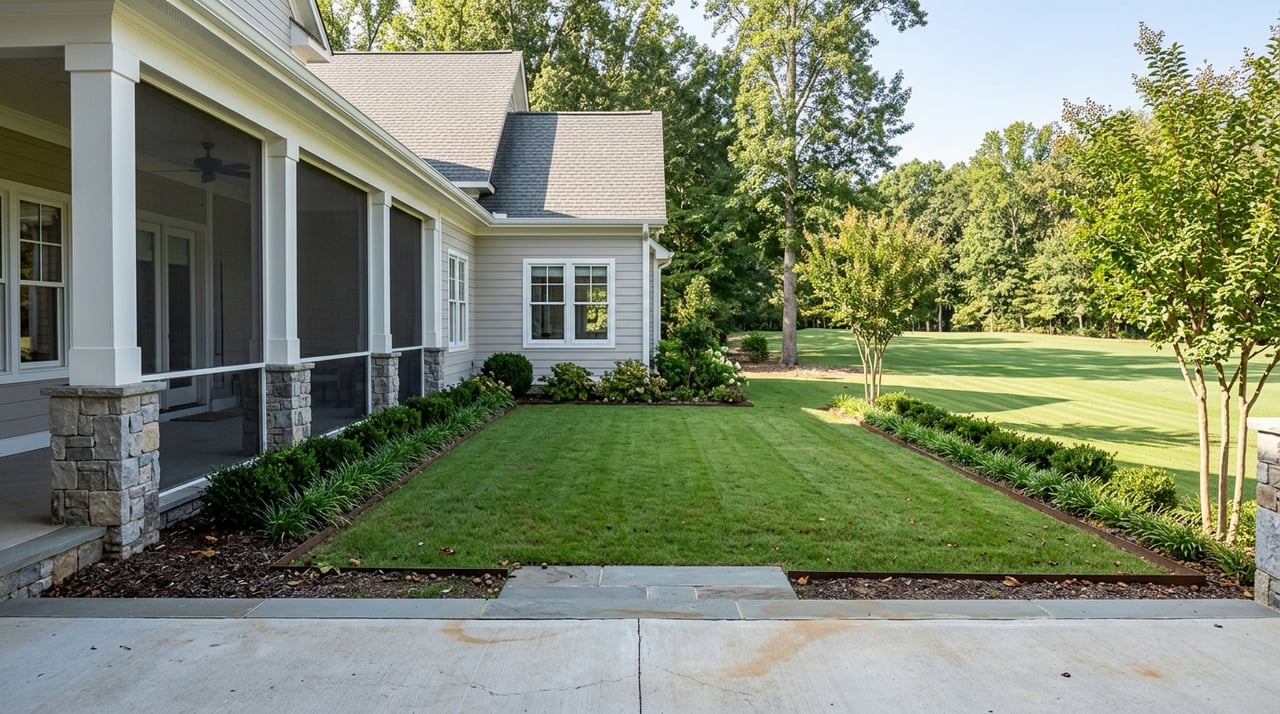
Thinking about a home on or near a golf course in Huntersville? It can be an appealing lifestyle choice, but it is also one that deserves a closer look before you commit. If you want beautiful surroundings, recreation nearby, and access to Charlotte, it helps to understand how Huntersville golf communities actually work so you can buy with confidence. Let’s dive in.
Why golf course living stands out
Huntersville continues to attract buyers who want suburban space with convenient access to the Charlotte area. The U.S. Census Bureau estimated the town’s population at 68,535 in 2025, up from 61,376 in 2020, which reflects the area’s ongoing growth.
That growth, combined with Huntersville’s place in the Lake Norman region, helps explain the appeal. Visit Lake Norman describes the area as about 20 minutes from Uptown Charlotte, giving many buyers a mix of everyday convenience and amenity-driven living.
It is also important to keep the price point in perspective. The Census profile reports a median owner-occupied home value of $472,900 in Huntersville, and median selected monthly owner costs with a mortgage of $2,159. For golf course properties, your total cost can go well beyond that once HOA dues, club fees, and taxes are added.
Huntersville golf living is not one thing
One of the biggest mistakes buyers make is assuming every golf community offers the same setup. In Huntersville, golf course living can mean private club access, HOA-centered neighborhood amenities, or simply owning near a public course.
That difference matters because your monthly costs, access rights, and long-term satisfaction may look very different from one neighborhood to the next. Before you fall in love with a view or a street, it helps to understand the structure behind the community.
NorthStone offers a private club model
NorthStone Country Club is a private club with a broad amenity package. According to the club, amenities include golf, tennis, pickleball, aquatics, fitness, massage, dining, and several membership options.
For buyers, that means you should ask exactly what ownership includes and what requires separate membership. A private club environment can be a great fit if you plan to use the amenities often and want a more structured club lifestyle.
Skybrook blends golf with HOA amenities
Skybrook is an HOA community spread across 1,100 acres with an 18-hole championship golf course. The community also includes 200 acres of open space, a swim and racket club, playgrounds, ball fields, trails, and a fishing pond.
Its HOA is run by elected homeowners, with a management company handling day-to-day support. If you like the idea of golf being part of a broader neighborhood lifestyle, this type of setup may feel more balanced than a club-centered model.
Birkdale offers public golf access
Birkdale Golf Club is a public-access, daily-fee course designed by Arnold Palmer on 200 acres. That can appeal to buyers who want golf nearby without the commitment of private club membership.
Birkdale also benefits from the surrounding mixed-use environment. Nearby Birkdale Village adds shopping, dining, trails, and Lake Norman access, which can broaden the lifestyle appeal beyond golf itself.
There is one more practical detail to note. The current Birkdale site states that the driving range and practice facility are permanently closed, which is a useful reminder that amenities can change over time.
Budget beyond the mortgage payment
If you are comparing Huntersville golf homes, avoid looking at the mortgage payment alone. HOA dues, club memberships, property taxes, and possible special assessments all shape your true monthly cost.
The Consumer Financial Protection Bureau notes that HOA dues are usually paid directly to the HOA and are not typically included in your mortgage servicer payment. Those dues can range from a few hundred dollars a month to more than $1,000 a month, so they need to be part of your upfront budgeting.
Fannie Mae also notes that HOA fees should be considered alongside mortgage, taxes, and insurance. In other words, a home that looks manageable at first glance may feel different once all recurring costs are added together.
Include Mecklenburg County taxes
Property taxes should also be part of your monthly comparison. Mecklenburg County currently lists a county tax rate of 49.27 cents per $100 of assessed value, and the county notes that the total bill also includes a municipal tax from Huntersville or another county town.
That means two homes with similar list prices may still carry different overall ownership costs depending on assessed value, municipal taxes, and neighborhood fees. A full side-by-side budget can make your decision much clearer.
Review HOA and legal disclosures carefully
Golf course communities often come with extra rules, fees, and governance documents. In North Carolina, buyers should take these seriously and review them before closing.
State law requires an owners’ association and mandatory covenants disclosure statement for applicable properties. The disclosure must identify whether the property is subject to an association, the amount of regular assessments or dues, whether services are paid by those dues, any approved special assessments, pending lawsuits, and any fees charged in connection with transfer of the lot.
This information is especially important in golf communities, where buyers may assume that dues cover more than they actually do. It can also reveal whether a community has financial obligations on the horizon that may affect your costs after closing.
Ask for the documents that matter
The North Carolina Department of Justice advises buyers to read bylaws and covenants carefully, ask neighbors about the board and manager, and understand how fees may change over time. The agency also notes that no state or federal agency oversees HOAs, which makes your own review even more important.
A smart due diligence list may include:
- Current HOA dues
- Any club dues or membership pricing
- Services covered by dues
- Special assessment history or approved assessments
- Transfer fees
- HOA rules and architectural guidelines
- Financials and reserve information
- Current amenity list
If you are paying a premium for a golf lot or golf-adjacent location, this paperwork helps you confirm what you are really buying.
Think about lifestyle fit first
A golf course home is not just a real estate choice. It is a daily lifestyle choice. The best fit depends on how you plan to use the setting and amenities.
If golf is central to your routine, a private-club environment like NorthStone may make more sense. If you want recreation options beyond golf, a neighborhood like Skybrook may offer a more flexible mix of open space and shared amenities.
If you simply enjoy the setting and want golf nearby without a private-club structure, a public-access option near Birkdale may be worth a closer look. The key is to be honest about what you will actually use, not just what sounds appealing during a tour.
What if you do not use golf?
This is one of the most common buyer questions. Even if you do not plan to play often, HOA or assessment obligations may still apply.
That is why it helps to separate the idea of living near a golf course from paying for a golf lifestyle. In some communities, those two things are closely connected. In others, they are not.
Consider resale with a wider lens
Golf can be a strong lifestyle feature, but it should not be the only reason you pay more for a home. In many cases, resale appeal is stronger when the property offers several durable advantages at once.
Those advantages may include location, open space, broader neighborhood amenities, or mixed-use convenience. For example, a home near golf plus shopping, trails, and Charlotte-area access may appeal to more future buyers than a home that depends on golf alone.
Huntersville’s population growth may support demand for well-located homes, but growth does not guarantee that every golf property will outperform the broader market. Your long-term value still comes down to budget, commute, community structure, and how well the home fits what buyers are likely to want later.
Verify schools by address
If school assignment is part of your search, do not rely on a neighborhood name alone. Charlotte-Mecklenburg Schools states that each student is assigned to a home school based on residential address, and boundary planning can change as the county grows.
The safest move is to verify the exact address you are considering. That gives you the most accurate information at the time you buy.
A practical checklist before you buy
Before you make an offer on a golf course home in Huntersville, ask these questions:
- Is club membership mandatory, optional, or separate from ownership?
- What do HOA dues cover?
- Are there separate club dues, transfer fees, or initiation costs?
- Are there any approved or likely special assessments?
- Can amenities change over time?
- Are there restrictions on exterior updates or landscaping?
- What is the full monthly cost including taxes, HOA dues, and any club fees?
- Does the location still make sense if your lifestyle changes in a few years?
These questions can help you move from emotional interest to a confident decision.
If you are weighing golf course living in Huntersville, the right home should fit both your lifestyle and your numbers. A clear review of costs, documents, and community structure can help you avoid surprises and choose a home that feels good long after closing. When you want a thoughtful, local perspective on Huntersville and the greater Charlotte market, Ashley Hannah Murphy is here to help.
FAQs
What does golf course living in Huntersville usually include?
- It varies by community. In Huntersville, golf living may involve a private club model, an HOA neighborhood with golf and other amenities, or a home near a public-access course.
Are golf memberships mandatory in Huntersville golf communities?
- It depends on the community. Buyers should confirm whether membership is tied to ownership or offered separately before making an offer.
What should buyers review in Huntersville HOA documents?
- Buyers should review dues, services covered by dues, special assessments, transfer fees, bylaws, covenants, architectural rules, and available financial and reserve information.
How should buyers budget for a Huntersville golf course home?
- Build your budget around the full monthly cost, including mortgage, property taxes, HOA dues, insurance, and any club-related fees.
Do Huntersville golf community amenities ever change?
- Yes. Amenities can change over time, which is why buyers should ask for a current amenity list and not assume every advertised feature will remain the same.
How do school assignments work for Huntersville homes?
- Charlotte-Mecklenburg Schools assigns students based on the property address, and boundaries can change, so buyers should verify the exact address directly.