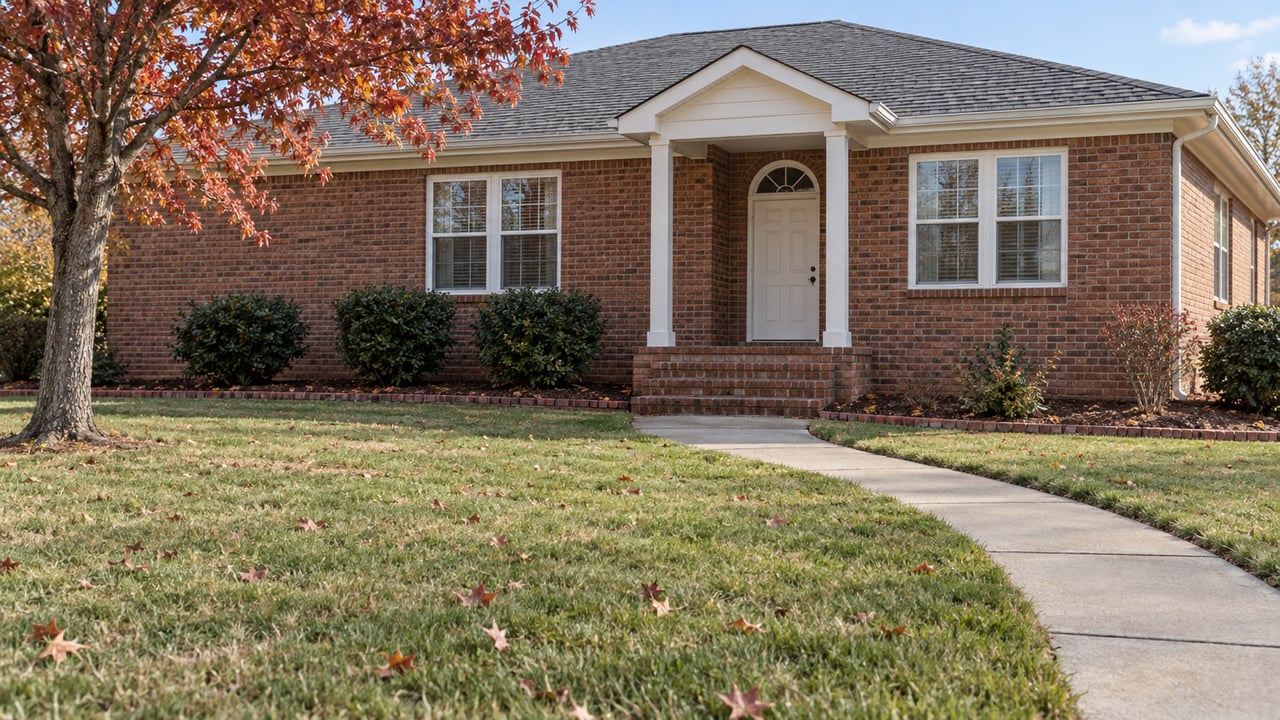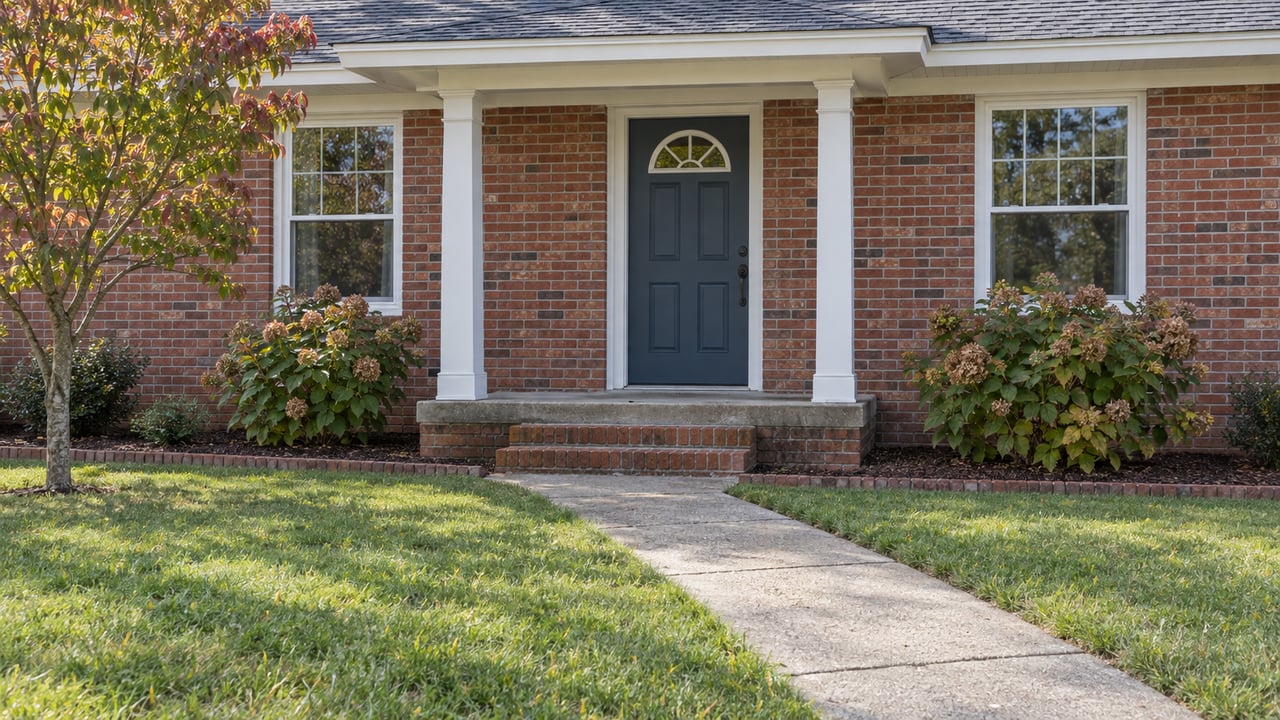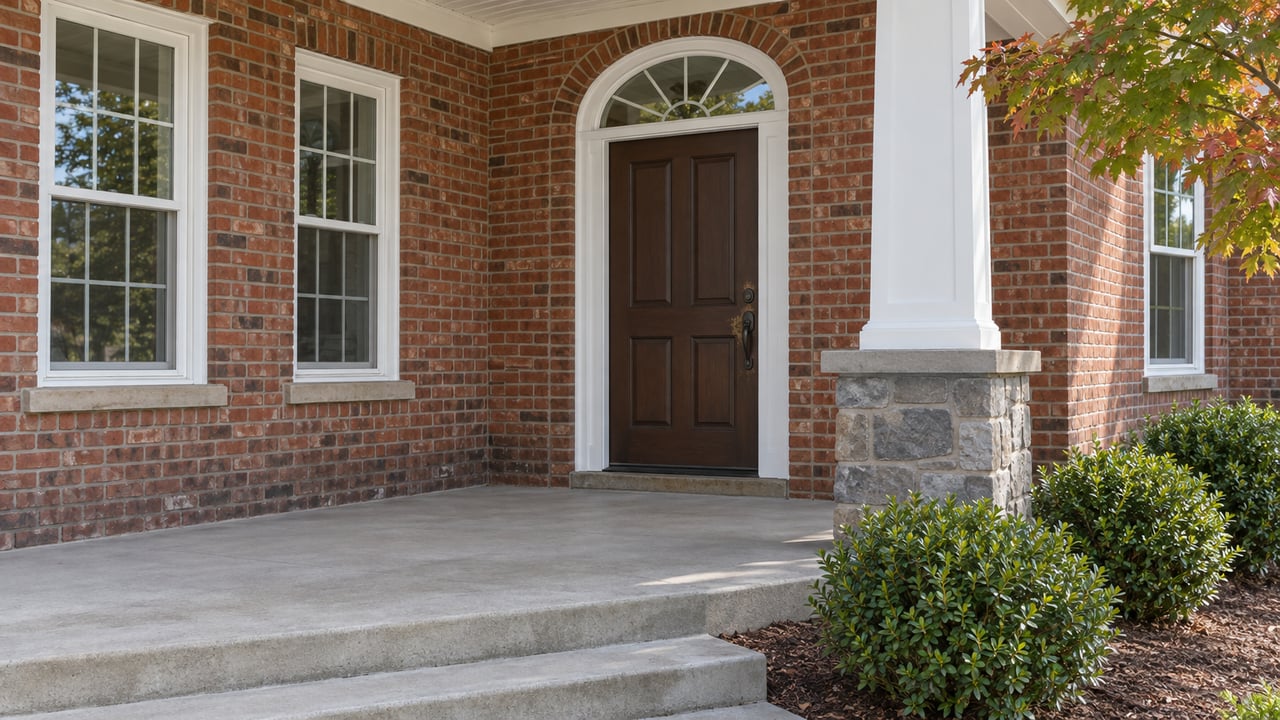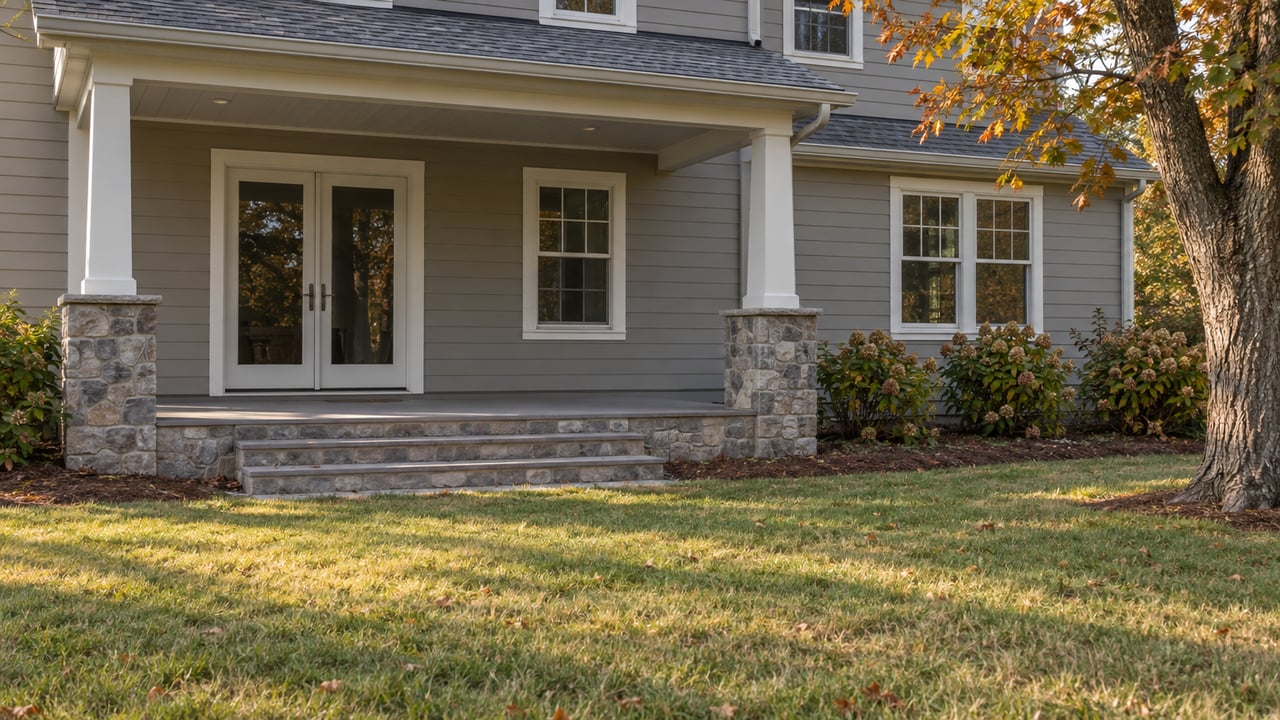
If you hear "riverfront living" and picture a dense waterfront district lined with condos, Mount Holly may surprise you. Life here feels more grounded in parks, greenways, downtown strolls, and easy access to the Catawba River corridor than in one continuous strip of waterfront development. If you are wondering whether that lifestyle fits the way you want to live, this guide will help you understand what Mount Holly riverfront living is really like day to day. Let’s dive in.
What riverfront living means here
In Mount Holly, riverfront living is less about a single polished waterfront destination and more about how the river shapes the city’s overall lifestyle. The city highlights its location along the Catawba River, more than 27 miles of shoreline, six recreational parks, and more than four miles of the River Hawk Greenway system.
That matters because your daily experience is likely to center on access, not spectacle. You get a setting that feels connected to nature and outdoor recreation, while still keeping a small-city rhythm and a practical commute to Charlotte.
The city is about 20 minutes from downtown Charlotte, which gives Mount Holly a strong commuter appeal. For many buyers, that mix is the sweet spot: close enough for work and city access, but far enough to enjoy a more relaxed pace at home.
Downtown shapes the lifestyle
A big part of Mount Holly’s appeal is how downtown and the river corridor work together. The city presents downtown as a place to shop, dine, and gather, and that adds an everyday convenience factor to the outdoor lifestyle.
This is not the kind of town where the river sits off to the side with no connection to daily life. Planning materials and public amenities point to an intentional relationship between downtown, greenways, parks, and public gathering spaces.
Walkable pockets near downtown
Mount Holly has some genuinely walkable pockets, especially near the center of town. The Riverhawk Greenway trailhead is close to downtown, and the trail runs 1.25 miles from City Hall to Tuckaseege Park.
The city also maps five downtown walking loops ranging from 0.3 miles to 1.03 miles. That gives you a sense of a town core designed for short walks, casual errands, and getting outside without needing to make it a major outing.
If you want a place where you can mix a coffee run, a walk, and some time outdoors into one easy routine, Mount Holly offers that in specific areas. The broader city is still more car-oriented, but the downtown pocket gives you a more connected feel.
Community events create a rhythm
Mount Holly’s social calendar adds a lot to the experience of living here. The city lists events such as River Hawk Races, Juneteenth in the Park, Mount Holly Nights, Pumpkin Piddle Paddle, Lantern Parade, and holiday programming.
Those events matter because they help shape the weekly and seasonal rhythm of the town. Instead of a lifestyle built only around private amenities, Mount Holly leans into shared public spaces and community traditions.
Downtown also includes activity hubs like Arts on the Greenway, the Mount Holly Farmer’s Market, a community garden, and the historical society. That gives the area a sense of local identity that goes beyond just being close to the water.
Outdoor living is a real draw
If you are considering Mount Holly for a river-adjacent lifestyle, outdoor access is one of the strongest reasons to look here. The city’s parks and recreation system is designed around exercise, relaxation, and entertainment across multiple public spaces.
Many parks also include pieces from Mount Holly’s Creative Arts Initiative. That small detail adds character and helps some recreation spaces feel a little more thoughtful and community-centered.
A recent example is Ransom Hunter Park, which opened on September 20, 2025. It includes a playground, shelter, open space, walking trails, bike racks, and educational signage, reinforcing the city’s focus on outdoor gathering spaces as part of everyday life.
What your weekends may look like
In practical terms, Mount Holly fits people who like low-key outdoor weekends. You may find yourself walking a greenway, heading downtown for a meal, spending time in a park, or plugging into a local event rather than chasing a packed urban schedule.
That is part of the appeal. The lifestyle feels active without feeling hectic, and social without feeling overbuilt.
For buyers relocating from busier parts of Charlotte or from out of state, that balance can be especially attractive. You still get access to amenities, but the atmosphere stays more grounded and community-scaled.
The biggest trade-off to know
No town is perfect, and Mount Holly’s riverfront story is still evolving. One of the biggest current limitations is access to some river-adjacent recreation.
The city states that the Tailrace Access Area and Mountain Island Park at Mount Holly have been closed to the public since September 7, 2022, with reopening scheduled for 2028. Alternative access to walking and mountain bike trails remains open, but the closure does affect how residents use part of the river corridor today.
This is important if your idea of riverfront living depends on immediate, full access to every nearby water-oriented amenity. Mount Holly still offers outdoor value, but some of its river access story is clearly a work in progress right now.
Why that does not tell the whole story
At the same time, long-range planning shows the city has been focused on the river corridor for years. Strategic documents reference greenways, a downtown connector trail, improved city connections, and ideas like water’s-edge trails, public river access, a boathouse concept, and links between downtown and nearby neighborhoods.
That suggests Mount Holly is not ignoring its river assets. Instead, it is continuing to shape them over time.
For some buyers, that future direction is encouraging. It can signal upside in a city that already has strong lifestyle fundamentals and is still improving how residents connect with the river.
How Mount Holly compares nearby
If you are exploring Gaston County river towns, it helps to understand where Mount Holly fits. It tends to land in the middle, offering a blend of downtown energy, outdoor access, and commuter convenience.
Belmont leans more into an established downtown-and-parks identity. Cramerton appears more trail-heavy and riverfront-forward, while McAdenville feels smaller and more compact with a village-like character.
Mount Holly stands out for buyers who want a little of each without leaning too far in one direction. It feels more outdoors-oriented than a generic suburb, but usually more practical and commuter-friendly than towns defined primarily by trail systems or a tightly concentrated downtown scene.
Who tends to love Mount Holly
Mount Holly often makes sense for buyers who want to stay connected to Charlotte while enjoying a slower, more local pace at home. The city’s parks, event calendar, shoreline, and downtown offerings all support that kind of lifestyle.
It can be a strong fit if you value:
- Easy access to Charlotte
- A small-town feel with an active downtown
- Parks, trails, and outdoor routines
- Community events throughout the year
- Walkable pockets, even if the city overall is still car-oriented
This setting may also appeal to relocators who want more breathing room without feeling disconnected. If your ideal home base includes nature, local businesses, and a more relaxed daily rhythm, Mount Holly deserves a closer look.
What to keep in mind as a buyer
If you are shopping for a home in Mount Holly, it helps to think beyond the phrase "riverfront living." The better question is how you want your daily life to feel.
Do you want quick access to trails and parks? Do you want to be near downtown activity? Do you want a manageable commute to Charlotte? Those are often the factors that shape satisfaction here more than whether a home sits directly on the water.
It is also smart to look at location within Mount Holly itself. Homes closer to downtown, greenway connections, and park access may offer a different day-to-day experience than homes in more residential, car-dependent sections of the city.
That is where local guidance matters. A neighborhood can look great on a map, but the real question is how it supports the routine you actually want.
If you are thinking about buying or selling in Mount Holly, working with a local expert can help you narrow in on the areas, property types, and lifestyle trade-offs that fit you best. When you are ready for personalized guidance, Ashley Hannah Murphy is here to help.
FAQs
What does riverfront living in Mount Holly really mean?
- In Mount Holly, riverfront living usually means access to the Catawba River corridor, parks, greenways, and outdoor spaces rather than one continuous waterfront district.
Is downtown Mount Holly walkable for daily activities?
- Downtown Mount Holly has walkable pockets, including the nearby Riverhawk Greenway and five mapped walking loops ranging from 0.3 miles to 1.03 miles.
Are Mount Holly river access areas fully open right now?
- No. The city says the Tailrace Access Area and Mountain Island Park at Mount Holly have been closed since September 7, 2022, with reopening scheduled for 2028, although alternative trail access is available.
How close is Mount Holly to Charlotte for commuters?
- Mount Holly is about 20 minutes from downtown Charlotte, which makes it appealing for buyers who want commuter convenience with a smaller-town lifestyle.
How does Mount Holly compare with Belmont, Cramerton, and McAdenville?
- Mount Holly offers a middle-ground lifestyle with downtown activity, outdoor access, and commuter convenience, while nearby towns may feel more trail-focused, more established around parks, or more compact and village-like.
Who is most likely to enjoy living in Mount Holly?
- Mount Holly tends to appeal to people who want to live near Charlotte while enjoying parks, trails, community events, and a more relaxed, river-adjacent setting.