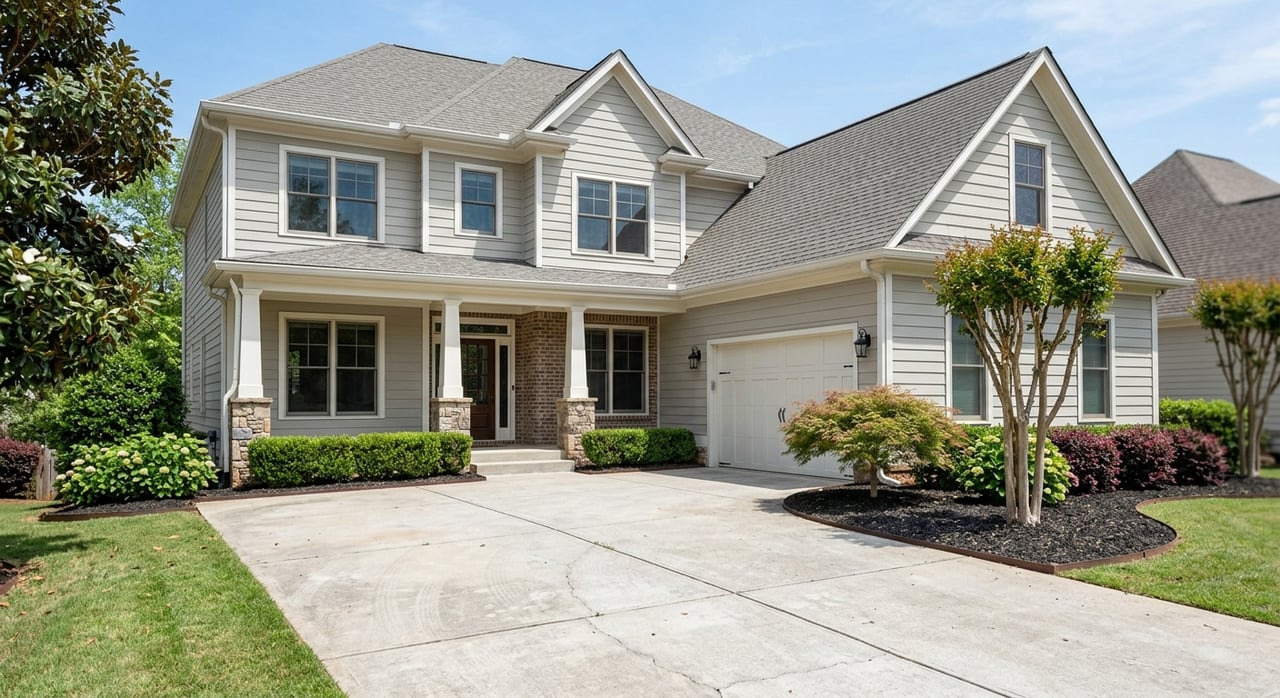
Selling your home in Belmont can feel like walking a tightrope. Price too high, and you may sit on the market longer than expected. Price too low, and you risk leaving money on the table. The good news is that many common pricing mistakes are avoidable when you use local data, recent comparable sales, and a smart prep plan. If you want to sell with more confidence in Belmont, let’s dive in.
Why pricing matters in Belmont
Belmont is not a market where broad guesses work well. According to the Canopy REALTOR® Association February 2026 report, the median sales price was $493,155, homes spent 79 days on market, and sellers received 94.6% of original list price on average. That tells you pricing still matters, because many sellers are negotiating below their starting number.
Other sources show a similar pattern. Realtor.com’s Belmont market data described the market as balanced in February 2026 and reported that homes sold for 1.6% below asking on average. Redfin’s pricing analysis also noted that 0% of Belmont homes sold above list price and 31.7% of listings had price drops.
Mistake 1: Letting emotion drive the list price
It is natural to feel attached to your home. You have memories there, and you may have invested time and money into updates. Still, your asking price needs to reflect what buyers are willing to pay in today’s market, not what the home means to you personally.
The National Association of REALTORS® consumer pricing guide explains that price should reflect factors like size, location, amenities, condition, and current market conditions. In Belmont, where sellers are not consistently getting full list price, starting too high can quickly work against you.
What to do instead
Use a comparative market analysis, or CMA, built from:
- Recent sold homes
- Homes currently under contract
- Active listings competing with yours
- Your timeline and selling goals
If you want to move quickly, a more competitive price may make sense. If you have more flexibility, your strategy may look a little different. The key is making that choice based on facts, not feelings.
Mistake 2: Using stale or overly broad comps
One of the biggest pricing mistakes in Belmont is relying on citywide averages or old sales from many months ago. The Canopy report specifically notes that Belmont’s sample size is small, which means percentage changes can look more dramatic than they really are. That is why neighborhood-level comps matter more than broad averages.
This is especially important because pricing can vary widely inside Belmont. Realtor.com’s neighborhood data for Belmont showed February 2026 median home prices of $610,255 in South Point, $515,000 in Central Belmont, and $579,000 in Lower Peninsula. Those differences are large enough to change your pricing strategy.
Why micro-market data matters
A home in one part of Belmont should not be priced based on a home across town with a different buyer pool, lot size, or housing style. The strongest comps are usually homes that are:
- Recently sold
- Close to your location
- Similar in size, age, and condition
- Comparable in features and layout
That local approach helps you avoid pricing by guesswork.
Mistake 3: Ignoring market signals
Sometimes the market gives sellers a clear message, but it is easy to miss when you are focused on your own goals. If similar homes are sitting, taking price cuts, or closing below asking, that information should shape your strategy from day one.
Redfin’s analysis of price drops warns that price drops can signal weakness to buyers and may lead to further reductions. In Belmont, where nearly one-third of listings had price drops in February 2026, overpricing early can put you in a tougher position later.
What this means for your listing
A realistic launch price can help you:
- Attract serious buyers sooner
- Reduce the need for later cuts
- Protect your listing from going stale
- Improve your negotiating position
In a balanced market, buyers tend to notice value quickly. If your home is well priced from the start, you have a better chance of creating steady interest instead of chasing the market down.
Mistake 4: Skipping basic prep before listing
Pricing and presentation work together. Even a well-priced home can struggle if it feels cluttered, dirty, or hard to picture as move-in ready. Buyers compare homes online first, then in person, so first impressions matter.
The 2025 NAR staging report found that 83% of buyers’ agents said staging makes it easier for buyers to visualize a home as their future residence. It also found that 49% of sellers’ agents saw faster sales, while 29% said staging increased dollar value offered by 1% to 10%.
Prep steps worth doing
Before you list, focus on the basics buyers notice most:
- Declutter each room
- Deep clean the home
- Improve curb appeal
- Remove distractions from key spaces
- Make the home feel bright and open
These steps do not always require a major budget, but they can make your pricing feel more justified to buyers.
Mistake 5: Overlooking small cosmetic improvements
Some sellers assume buyers will look past worn paint, a dated front door, or minor finish issues. In reality, visible condition still affects how buyers judge value. If your home needs cosmetic work, buyers may build that into their offer, even if the issue seems minor to you.
The 2025 Remodeling Impact Report found that 46% of buyers are less willing to compromise on a home’s condition. The same report showed that modest, visible projects like a new steel front door, a closet renovation, and a new fiberglass front door had strong resale recovery, while REALTORS® often recommend painting and new roofing before selling.
Improvements that can support value
If you are deciding where to spend time or money, consider:
- Painting the entire home or key rooms
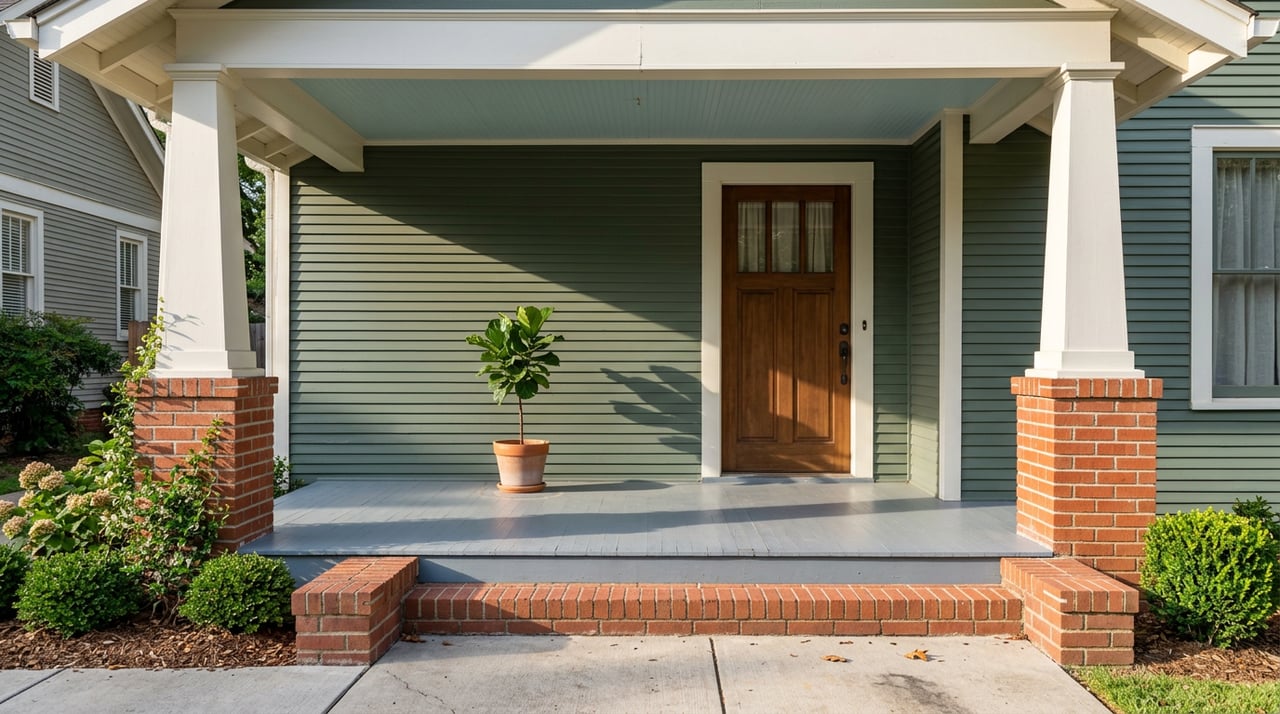
- Refreshing the front door
- Cleaning up worn or dated finishes
- Handling obvious maintenance items
- Making entry areas feel welcoming
These are the kinds of updates that help a buyer feel the home has been cared for.
Mistake 6: Spending effort in the wrong rooms
If your budget or timeline is tight, prioritize the spaces buyers care about most. Not every room needs the same level of attention before you sell.
According to the NAR staging report, the living room, primary bedroom, and kitchen were the rooms buyers cared about most. Guest bedrooms ranked much lower, so that may not be the best place to spend your first dollar.
Best rooms to prioritize
Focus first on:
- Living room
- Primary bedroom
- Kitchen
When those spaces look clean, functional, and inviting, your home tends to make a stronger overall impression.
Mistake 7: Waiting too long to plan your timing
Many sellers think timing only matters if they are trying to hit the spring market. Timing matters year-round, but seasonal demand can still give you an edge if you plan ahead.
Realtor.com’s 2026 Best Time to Sell report identified April 12 through 18 as the strongest week nationally, and the Charlotte-Concord-Gastonia metro followed the same pattern. During that week, homes in the metro historically listed at 5.6% higher than the start of the year, attracted 18.4% more views per property, sold about 10 days faster than average, and saw 11.7% fewer active listings than a typical week.
Should you wait for spring?
Not always. The same report notes that well-priced, move-in-ready homes can still sell successfully outside the peak week. Still, if you want to target spring, it helps to start preparing early because many sellers get ready within a month or less.
How to avoid pricing mistakes in Belmont
A strong selling strategy usually comes down to a few simple steps done well. You want to combine current market data, accurate comps, thoughtful prep, and realistic expectations.
Here is a practical checklist to keep in mind:
- Use recent neighborhood-level comps
- Price based on current conditions, not past peaks
- Watch active competition closely
- Prep the home before it hits the market
- Prioritize visible, high-impact improvements
- Choose timing that fits your goals and readiness
When you do those things, you give your home a better chance to stand out for the right reasons.
Selling in Belmont does not have to feel like guesswork. With the right pricing strategy, local insight, and a thoughtful plan for presentation, you can avoid the mistakes that lead to unnecessary price cuts and extra time on market. If you are thinking about selling and want a personalized, data-driven plan for your home, Ashley Hannah Murphy can help you take the next step with confidence.
FAQs
What is a common home pricing mistake for sellers in Belmont?
- A common mistake is setting the asking price based on emotion instead of recent sold, under-contract, and active comparable homes in the same Belmont area.
How much do Belmont homes sell below asking price?
- Realtor.com reported that Belmont homes sold about 1.6% below asking on average in February 2026, while Canopy data showed sellers received 94.6% of original list price on average.
Which Belmont neighborhoods can have different pricing trends?
- Belmont neighborhood pricing can vary significantly, with Realtor.com reporting different February 2026 median prices for South Point, Central Belmont, and Lower Peninsula.
What home prep steps matter most before listing in Belmont?
- Decluttering, deep cleaning, improving curb appeal, and focusing on the living room, primary bedroom, and kitchen are some of the most valuable first steps.
Is spring the best time to sell a home in Belmont?
- Spring can offer a seasonal advantage, and Realtor.com identified April 12 through 18 as the strongest week for the Charlotte-Concord-Gastonia metro, but a well-priced, move-in-ready home can still sell successfully at other times of year.