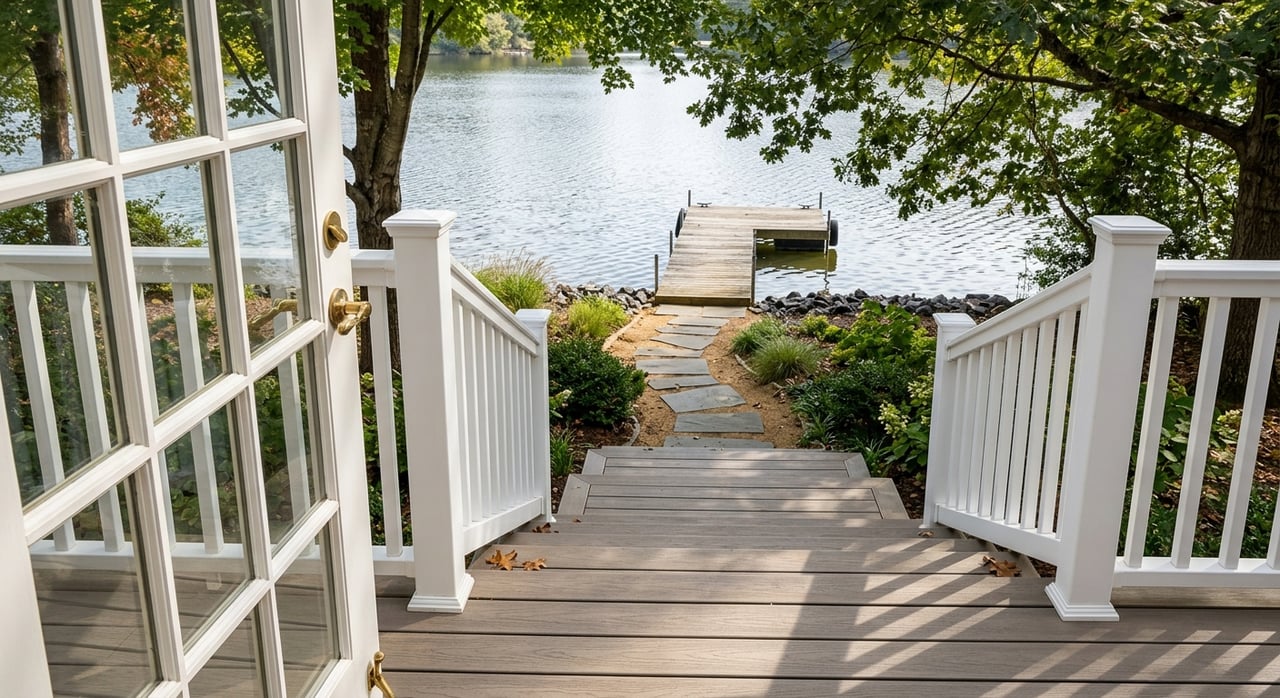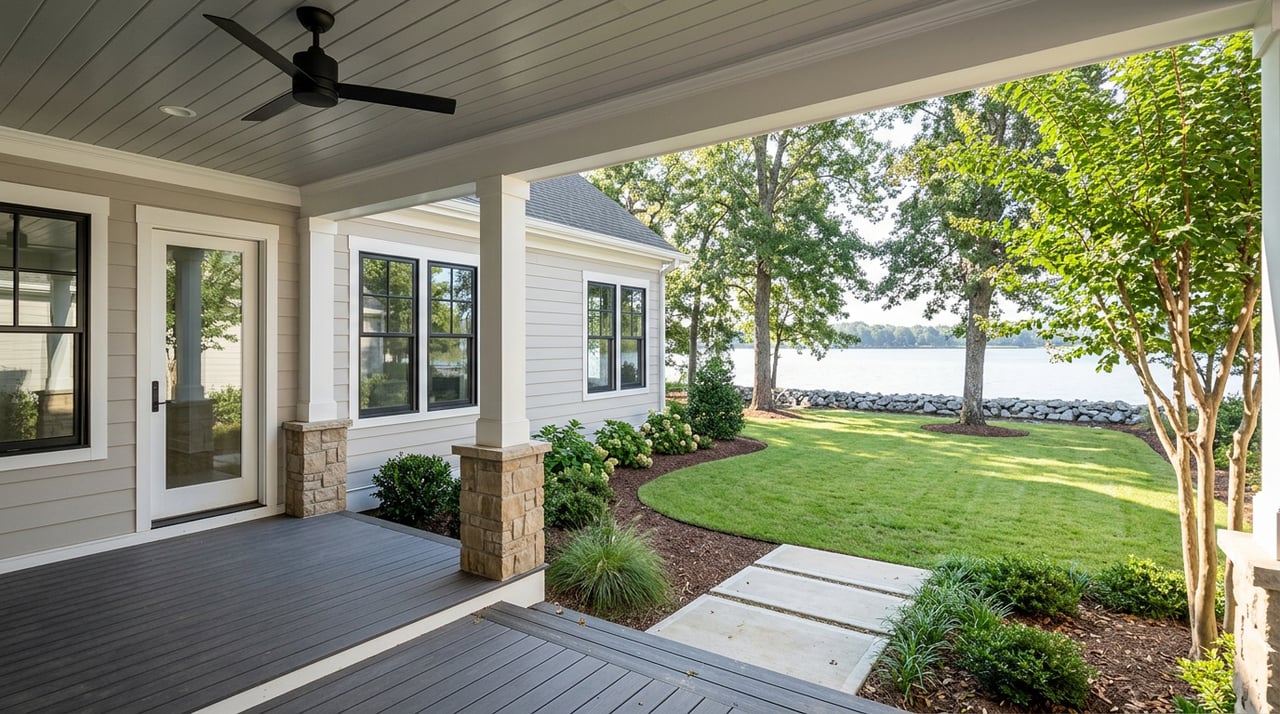
Picturing coffee on a private dock or happy hours at a neighborhood park by the water? Choosing between a Lake Wylie waterfront home and a nearby, non-waterfront neighborhood in York County is a big decision. You want the right mix of price, upkeep, rules, and daily lifestyle. In this guide, you’ll see how the options compare on costs, permits, and everyday living, plus a practical checklist to use on your tours. Let’s dive in.
Waterfront vs nearby prices
If you look at recent market snapshots, the Lake Wylie area shows a median sale price in the mid 500s in early 2025, with one report noting about $575,000 in March 2025. You can explore the latest local context in this Lake Wylie market update. That median blends lakefront and inland homes, so expect variation once you narrow your search.
Waterfront homes typically carry a premium over nearby inland properties. Local market commentary shows off-lake averages often in the low to mid 500s, while waterfront ranges widely from smaller, older cottages in the high 400s up to seven-figure properties with deep water and upgraded docks. The premium depends on cove vs. open water, lot depth, shoreline condition, and dock quality, as summarized in local insights like this Lake Wylie market commentary. In short, “waterfront” is not a single price band. A quiet cove with a shallow shoreline and an older pier will price very differently than a deep-water point lot with a newer covered slip.
Ownership costs to plan for
Living on the water comes with special line items. If you own a dock, budget for repairs and eventual replacement. National guides show residential dock projects can range from roughly $7,000 to $25,000 or more depending on materials and complexity, with add-ons like lifts and electrical pushing totals higher. For a quick primer on typical repair items and costs, review this dock repair guide.
Shoreline stabilization can be the biggest capital expense. Bulkhead or seawall work varies widely by material and method. Published ranges run from hundreds to several hundreds of dollars per linear foot, which means the total can reach many thousands of dollars when needed. Learn more about repair vs. replacement approaches in this seawall resource.
Beyond big-ticket items, plan for routine upkeep. Many owners schedule periodic dock inspections, occasional decking replacement, mooring hardware fixes, and lift service. Smaller annual budgets, plus a reserve for major work every 10 to 25 years, help even out costs over time. If you choose an inland neighborhood, you avoid dock and seawall maintenance altogether, which lowers ongoing costs.
Insurance is another consideration. Standard homeowners insurance does not cover flood from rising water. If the property lies in a FEMA Special Flood Hazard Area and you finance the purchase, a lender will generally require a flood policy. Premiums vary by flood zone, elevation, and coverage level. For lending rules and what drives pricing, see these federal flood insurance Q&As. Ask for a flood zone determination and, if available, an elevation certificate to estimate premiums accurately.
Finally, understand South Carolina property tax rules. Owner-occupied homes are assessed at 4% of market value for tax purposes. Other residential classifications often use 6%. Your final bill depends on local millage and special districts, so similar-priced homes can have different tax outcomes by location. For a clear overview, review the state’s property tax FAQ.
Permits, HOAs, and rules
Lake Wylie is part of Duke Energy’s Catawba-Wateree system. Duke Energy Lake Services manages shoreline activities within the project boundary and issues permits for docks, stabilization, dredging, and related work. Before you add or modify a dock, you will likely need a Duke permit. Ask sellers for copies of any past approvals and dock permits tied to the property. You can learn more and see what requires approval through Duke Energy shoreline permits.
Local rules matter too. Floodplain and building codes influence what you can build and how you maintain shoreline features. When you are serious about a property, verify local permits and any floodplain requirements with the county. Many lake and nearby communities also have HOAs. Covenants may include rules on covered slips, lifts, rental policies, and exterior standards. These can shape your day-to-day “lake life” and overall cost. Market summaries and HOA notices often caution buyers to request CC&Rs, minutes, and financials, as noted in local neighborhood commentary.
Lifestyle tradeoffs on Lake Wylie
Waterfront living delivers instant access to boating, paddling, fishing, and sunrise views. Nearby inland neighborhoods can still offer strong “lake life” value through community amenities. Some areas have shared marinas, neighborhood ramps, and walkable parks. York County highlights several public spots, including Ebenezer Park, Allison Creek Park, and Catawba Bend Preserve. Explore the area’s parks and trails through Visit York County.
Seasonality matters. Expect heavier boat traffic on summer weekends near marinas and popular ramps, with quieter conditions in smaller coves. You may also see seasonal water-quality advisories in specific coves, monitored by local authorities. For background on blue-green algae events and how they are managed, review this Lake Wylie overview. Visit homes at different times of day and week to gauge noise, wake, and lighting.
Commute and daily errands are similar across much of the York County side of the lake. Many buyers value the proximity to Charlotte, South Charlotte amenities, and CLT airport. The drive to central Charlotte is roughly 20 to 30 minutes depending on traffic, as you can estimate from tools like this Lake Wylie to Charlotte drive distance. Off-lake neighborhoods a bit farther from the shoreline may deliver similar access to schools, shops, and services with less shoreline maintenance.
Which option fits you
Both paths lead to a great lifestyle. The best choice depends on how you plan to use the lake, your appetite for maintenance, and your budget.
- Choose waterfront if you want everyday access from your own backyard and are comfortable budgeting for dock and shoreline upkeep, insurance checks, and permit steps.
- Choose nearby neighborhoods if you prioritize lower ownership costs and simpler rules while still enjoying parks, marinas, and community amenities.
Either way, you can enjoy lake living. The key is aligning your expectations with the true costs and rules that come with the shoreline.
Touring checklist for buyers
Use these headings and questions during showings. Bring a copy to your tours.
Title and property access
- Is the shoreline and upland area clearly titled to the parcel? Ask for a recent survey or recorded plat.
- Are there any access easements that affect privacy or shoreline use?
Dock and shoreline (waterfront only)
- Is there a current Duke Energy dock or shoreline permit? Are structures grandfathered, and have renewals been filed? Request copies of Duke Energy approvals.
- What is the age, type, and condition of the dock, lifts, and pilings? Consider a marine contractor inspection. Review typical repair items in this dock repair guide.
- What shoreline stabilization is in place? Any erosion history or recent work? Get estimates for repairs. Learn approaches from this seawall resource.
Flood and insurance
- What FEMA flood zone applies to the address? Will a lender require flood insurance? Ask for an elevation certificate if available because it affects pricing. Review lending rules in these federal Q&As.
HOA and community rules
- Is there an HOA? Request CC&Rs, rules about docks, lifts, shoreline vegetation, and rental policies. Ask for financials, meeting minutes, and any slip assignment or waiting list details. Local commentary underscores these checks in neighborhood updates.
Utilities and septic vs. public sewer
- Is the home on public sewer or septic? Steep slopes and shoreline setbacks can limit expansion. Confirm utility connections and any open work orders.
Environmental and water quality
- Ask neighbors and county contacts about any past algae or water-quality advisories. Seasonal, cove-specific events have occurred on Lake Wylie, as covered in this overview.
Resale and marketability
- Are docks transferable and compliant with current shoreline management rules? Sellers should show permit history and documented repairs. This supports value and future marketability.
Your next steps
Buying on or near Lake Wylie is about matching the lifestyle you want with clear numbers and rules. Start by setting a price range that accounts for dock and shoreline reserves, insurance checks, and any HOA fees. Then tour at different times of day to feel traffic, wake, and noise patterns. Finally, gather documents early, including surveys, permits, HOA rules, and any floodplain information.
If you want a local, hands-on partner to help you compare specific homes and neighborhoods, reach out to Ashley Hannah Murphy for a friendly, no-pressure consult. We will review your wish list, map commute times, pull recent comparables, and build a clear budget so you can move forward with confidence.
FAQs
What is the price gap between Lake Wylie waterfront and nearby homes?
- Local reporting shows a mid 500s median for the area, with waterfront homes trading at a premium that varies by cove, depth, and dock quality; see this market snapshot and local commentary for context.
How much does dock work cost on Lake Wylie?
- Typical residential dock projects can range from about $7,000 to $25,000 or more depending on design and materials, with ongoing repairs and lift service common; review this dock repair guide.
Do I need a permit to build or modify a dock?
- Yes, Duke Energy Lake Services regulates shoreline activities and issues permits for docks, stabilization, and related work; learn more about shoreline permits.
Will I need flood insurance if I buy on the lake?
- If your home is in a FEMA Special Flood Hazard Area and you use a federally regulated lender, flood insurance is generally required; see lender rules in these federal Q&As.
How are property taxes calculated in York County, SC?
- South Carolina uses assessment ratios, with owner-occupied homes typically assessed at 4% of market value and other residential categories at 6%, plus local millage; see the state’s property tax FAQ.
Where can I access the lake if I live off-water?
- Many residents use public parks and community amenities, including places highlighted by Visit York County such as Ebenezer Park and other lakefront facilities.
How long is the commute to Charlotte from Lake Wylie, SC?
- The drive to central Charlotte is roughly 20 to 30 minutes depending on traffic; see an estimate with this drive distance tool.