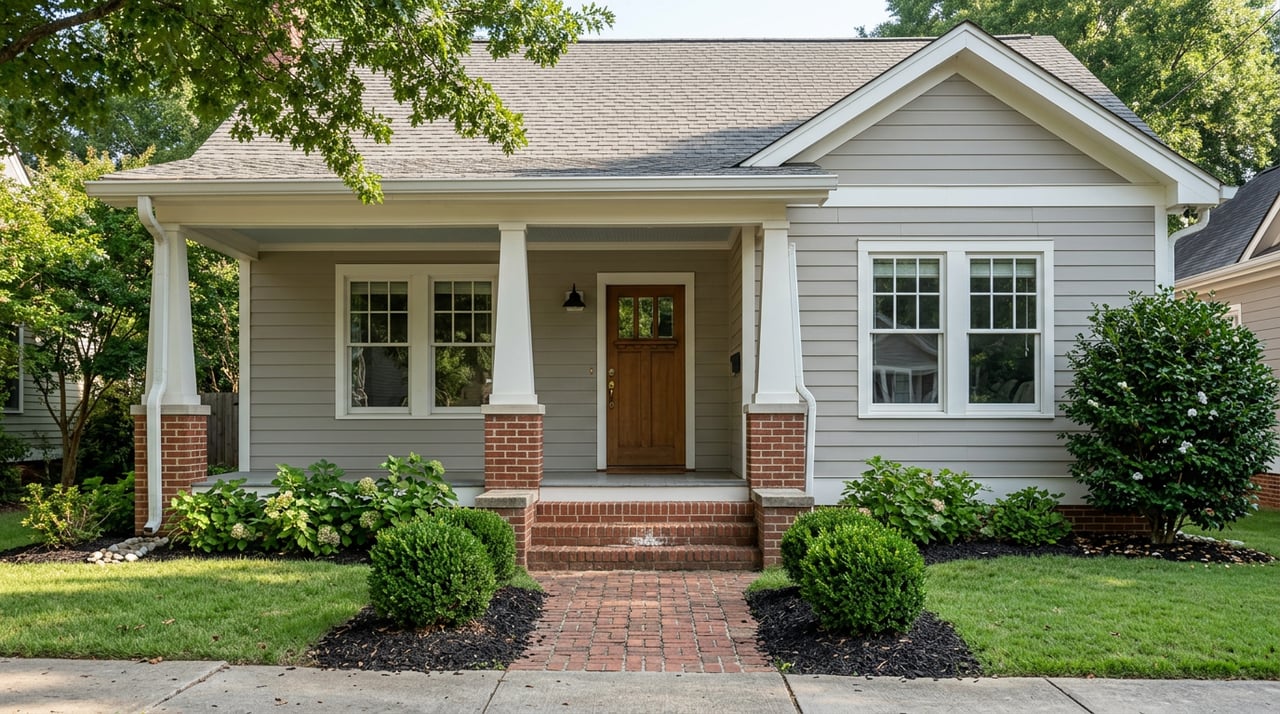
Picture yourself sipping coffee on a wide front porch, watching the neighborhood wake up around you. If that vision draws you to Plaza Midwood’s classic bungalows, you’re not alone. Buying an older home here takes a little extra homework, but it rewards you with enduring character and walkable charm. In this guide, you’ll learn what defines these homes, how the historic district rules work, which inspections to prioritize, and how to plan smart renovations. Let’s dive in.
Why Plaza Midwood bungalows stand out
Plaza Midwood began as a streetcar suburb, and you still see that early 20th-century fabric in its tree-lined blocks and front porches. The neighborhood’s history and character are well documented by the local association’s overview of the area’s growth and architecture. You get the feel of an established area with a lively main corridor and side streets that invite evening strolls. Plaza Midwood Neighborhood Association’s guide is a great primer on that story.
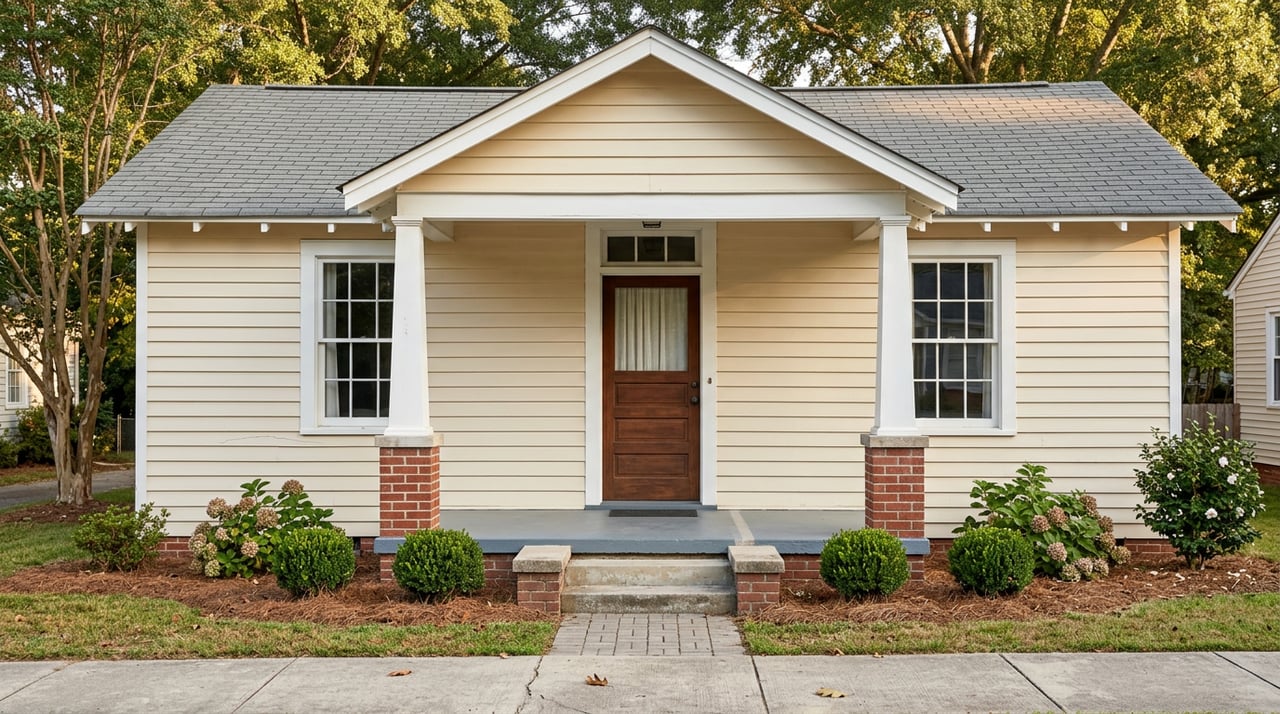
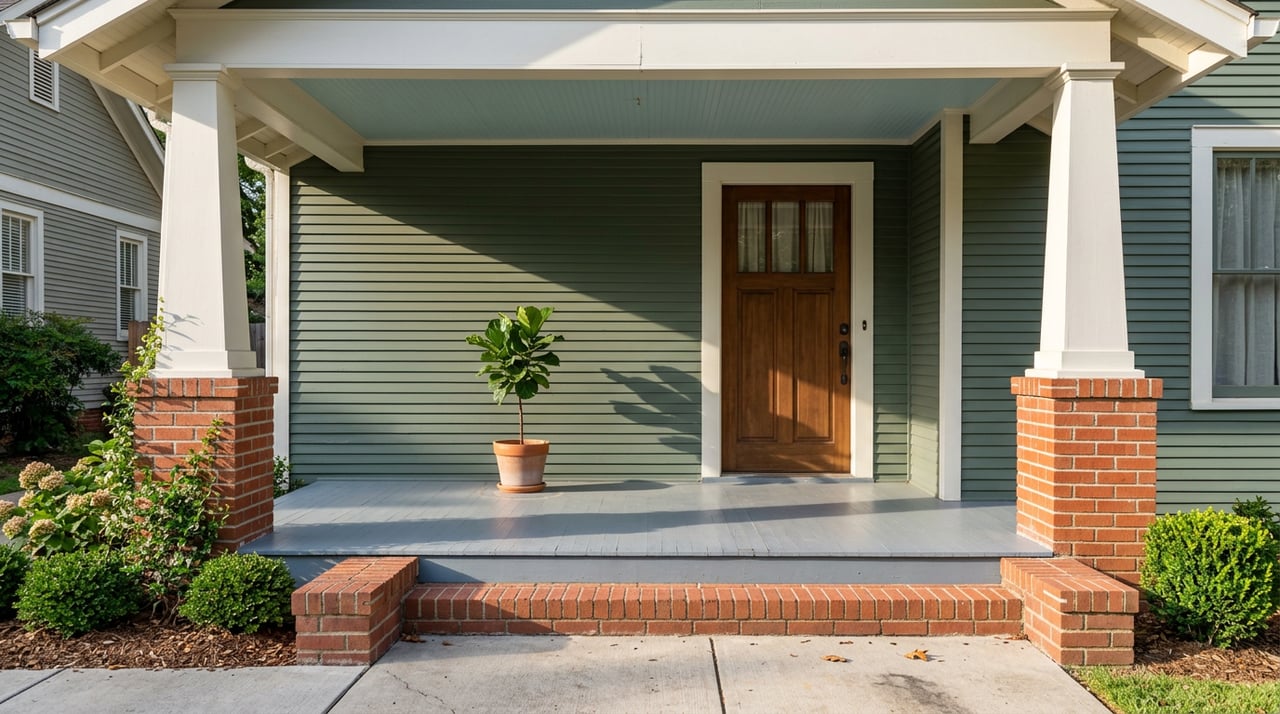
Most bungalows here are single-story or one-and-a-half-story homes from the 1910s through the 1930s. The City’s guidance on the American Small House highlights what gives them their appeal: low gabled roofs, deep porches, tapered columns, exposed rafters, original wood windows, built-ins, and hardwood floors. These are the details that hold value and set the tone for a thoughtful restoration. See the City’s summary of the American Small House for the key design cues.
Understand the historic district
Where the rules apply
A portion of Plaza Midwood is a locally designated historic district. If your bungalow falls inside that boundary, work that changes the visible exterior usually needs a Certificate of Appropriateness, called a COA. The City of Charlotte’s Historic District Commission oversees this process, with updated standards and electronic applications.
What needs approval
Expect review for exterior changes like window or door replacements, additions that alter front massing, demolition, and some site work such as fences or tree removals. Routine maintenance may be exempt, but always confirm before you begin. You can review the current steps and apply via the City’s COA application page.
How to plan your timeline
Build in time for design review if you plan visible changes. HDC staff can advise on what is likely to be approved, which can save you from redesigns later. Early conversations make for smoother projects and better outcomes.
What to look for during tours
A quick scan during showings helps you sort true gems from heavy projects:
- Character to preserve: front porch, tapered columns, exposed rafters, original wood windows, built-ins, mantels, and trim profiles.
- Floor plan: many bungalows are compact, so check circulation, storage, and attic headroom if you hope to finish a half-story.
- Lot and outbuildings: narrow urban lots and alleys are common. Detached garages and sheds may sit on alley easements, so verify locations and any recorded easements. The neighborhood’s overview offers helpful context on typical lot patterns.
Inspection priorities for older bungalows
Older homes deserve targeted inspections in addition to a standard home inspection. Add these to your due diligence plan.
Roof, porch, and exterior envelope
Look for roof age, flashing at chimneys, and signs of porch settlement. Check paint and wood at eaves and porch floors for rot. Preserving original siding details often matters for historic review.
Windows and doors
Original wood windows are usually repairable. The City encourages repair over wholesale replacement where feasible, and storms can improve comfort and efficiency. If replacement is needed in the historic district, like-for-like is the expectation. Review the City’s guide to repairing old windows before making plans.
Electrical systems
Some bungalows still have knob-and-tube or cloth-insulated wiring and smaller service panels. Active knob-and-tube can affect insulation plans and may raise lender or insurer questions. Have a licensed electrician document service size, panel type, and any active vintage wiring. The DOE’s guidance on older wiring and weatherization is a useful reference for what to expect in upgrades. See the DOE best practices overview.
Plumbing and sewer
Galvanized supply lines and cast-iron drains can corrode or scale over time. A licensed plumber can identify materials and advise on replacement scope. Add a sewer-scope video inspection for pre-1970s homes or when large trees are nearby. InterNACHI explains what a sewer-scope inspection covers and why it matters.
Foundation and moisture
Many homes sit on crawlspaces or piers. Check grading, gutters, and signs of chronic moisture under the house. In Charlotte’s humid climate, proper drainage and vapor control help protect framing and floors.
Termites and other wood-destroying insects
North Carolina uses a standardized Wood-Destroying Insect Report for most home sales. Hire a licensed professional to provide the report and recommend any treatment or repairs. Learn more from the NC Agriculture Department’s guide to the WDIR process.
Lead paint and other hazards
Homes built before 1978 may have lead-based paint. If you plan to disturb paint during renovations, the EPA’s Renovation, Repair, and Painting Rule requires lead-safe practices by certified contractors. Review the EPA’s RRP overview so you know what to expect.
Renovations, permits, and design review
If you plan updates, map out these steps early:
- Confirm if the property is inside the local historic district and whether your exterior work needs a COA. Start with the City’s COA application page.
- Check zoning, setbacks, and accessory structure rules under Charlotte’s Unified Development Ordinance. The UDO site is your starting point for parcel-specific rules.
- If your home is individually eligible and you plan a qualified rehabilitation, North Carolina offers a state historic rehabilitation tax credit for owner-occupied homes. Read the NC State Historic Preservation Office’s guide to homeowner tax credits and engage them early in design.
Financing options and insurance realities
Renovation loans to consider
If you want to finance repairs within your mortgage, programs like FHA 203(k) and Fannie Mae HomeStyle may help. FHA 203(k) requires lender participation and, for standard 203(k), a HUD-approved consultant. Start the conversation with an experienced lender early. See HUD’s consumer fact sheet on FHA 203(k) for a quick overview.
Insurance and lending checkpoints
Active knob-and-tube wiring, failing roofs or foundations, and missing sewer laterals can complicate insurance or loan approval. Use inspection reports and contractor bids to negotiate repairs or credits and to show a clear plan for safety updates. The DOE guidance above outlines why electricians often need to certify conditions before adding insulation.
Price and value context
Buyers often pay a premium for well-restored bungalows in the historic core, especially on walkable blocks like Thomas Avenue and The Plaza. Neighborhood median values vary by data provider and by which sales are included. Treat published medians as indicators and rely on recent MLS comps on your target block for precise pricing. A local, data-backed strategy will help you compete with confidence.
Buyer checklist for Plaza Midwood bungalows
Pre-offer walkthrough
- Note character features you want to preserve, like porches, windows, trim, and built-ins.
- Check visible systems and structural cues: roof age, porch settlement, moisture signs, and chimney condition.
- Consider the floor plan and whether you can add storage or finish a half-story without harming character.
Offer contingencies to include
- General home inspection by a pro experienced with older homes.
- NC WDIR for termites and other wood-destroying insects. Review the state’s WDIR guidance.
- Sewer-scope inspection on older homes or when large trees are present. Learn the basics of a sewer scope.
- Licensed electrician’s report if you suspect vintage wiring or an undersized panel. Reference the DOE best practices to frame questions.
- Lead paint disclosure for pre-1978 homes and plan for EPA RRP compliance if renovating.
- Review of HDC COA history and City permit records for the property via the COA application portal.
Negotiation and closing
- Use inspection findings to negotiate repairs, price credits, or escrow for major items such as a full rewire or sewer lateral replacement.
- Get written bids for big-ticket items to support negotiations and loan or insurance approvals.
Post-contract planning
- If the home is in the historic district and you plan visible changes, consult HDC staff early and build review time into your schedule.
- Confirm UDO zoning for any addition, dormer, or accessory structure at the UDO site.
- If exploring tax credits, contact the NC SHPO at the start of design using their homeowner tax credit guide.
Next steps
If a craftsman porch in Plaza Midwood feels like home, you deserve a plan that protects your budget and the home’s character. From pinpointing the right block to navigating historic review and smart contingencies, you will benefit from steady, local guidance. Ready to map out your path to a Plaza Midwood bungalow? Schedule your free consultation with Ashley Hannah Murphy for personalized, neighborhood-savvy support.
FAQs
What is a COA in Plaza Midwood’s historic district?
- A Certificate of Appropriateness is the City’s required approval for exterior changes visible from the street in the local historic district; you apply through the City’s COA page before work begins.
Can you replace original windows in the historic district?
- Yes, but repair is preferred when feasible; if replacement is necessary, the City expects like-for-like details, and the process follows the City’s window repair guidance and COA review.
Which inspections matter most for a 1920s bungalow?
- In addition to a full home inspection, prioritize a WDIR for pests, a sewer-scope video, and licensed electrician and plumber evaluations, plus lead-safe planning per the EPA’s RRP.
Do North Carolina tax credits help with owner-occupied historic homes?
- North Carolina offers a state historic rehabilitation tax credit for qualifying owner-occupied projects; review eligibility and process with the NC SHPO’s homeowner tax credit guide early.
How do renovation loans work for older homes?
- Options like FHA 203(k) can roll approved repair costs into your mortgage, but they have lender participation rules and documentation; start with HUD’s 203(k) fact sheet and speak with an experienced lender.
Where do I check setbacks or rules for an addition or ADU?
- Charlotte’s Unified Development Ordinance governs setbacks, height, and accessory structures; look up parcel-specific standards on the City’s UDO site.