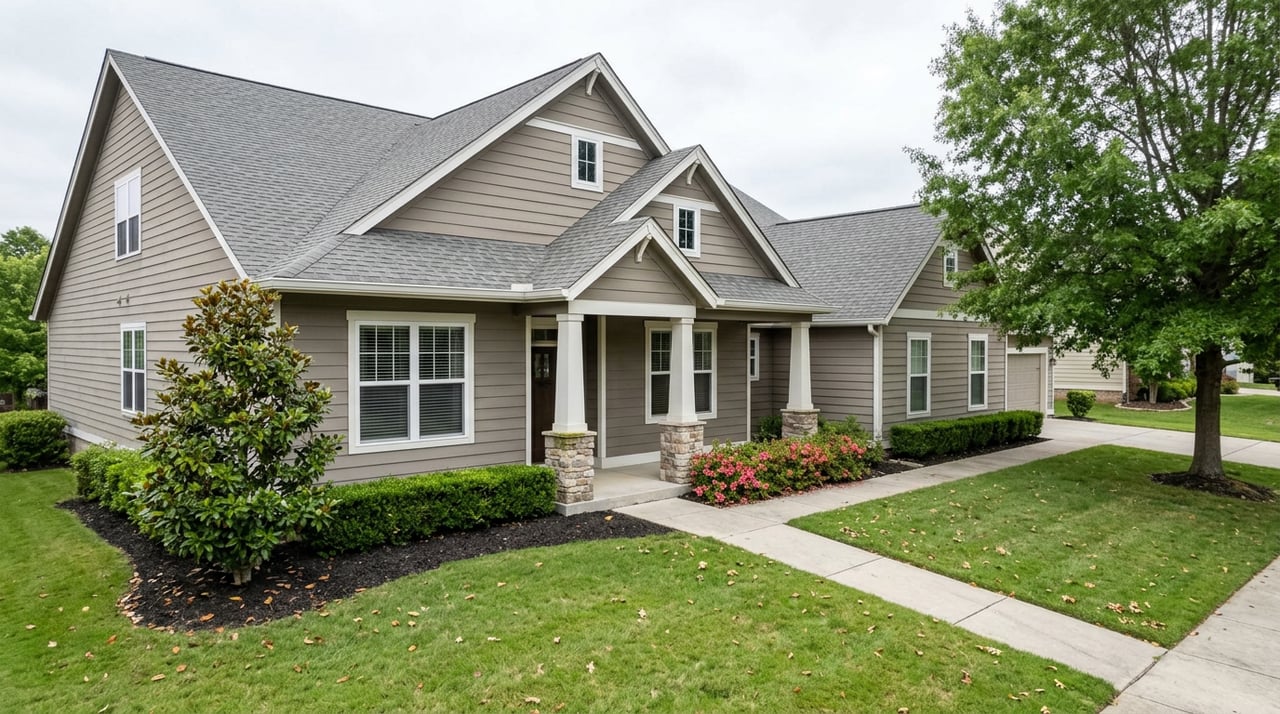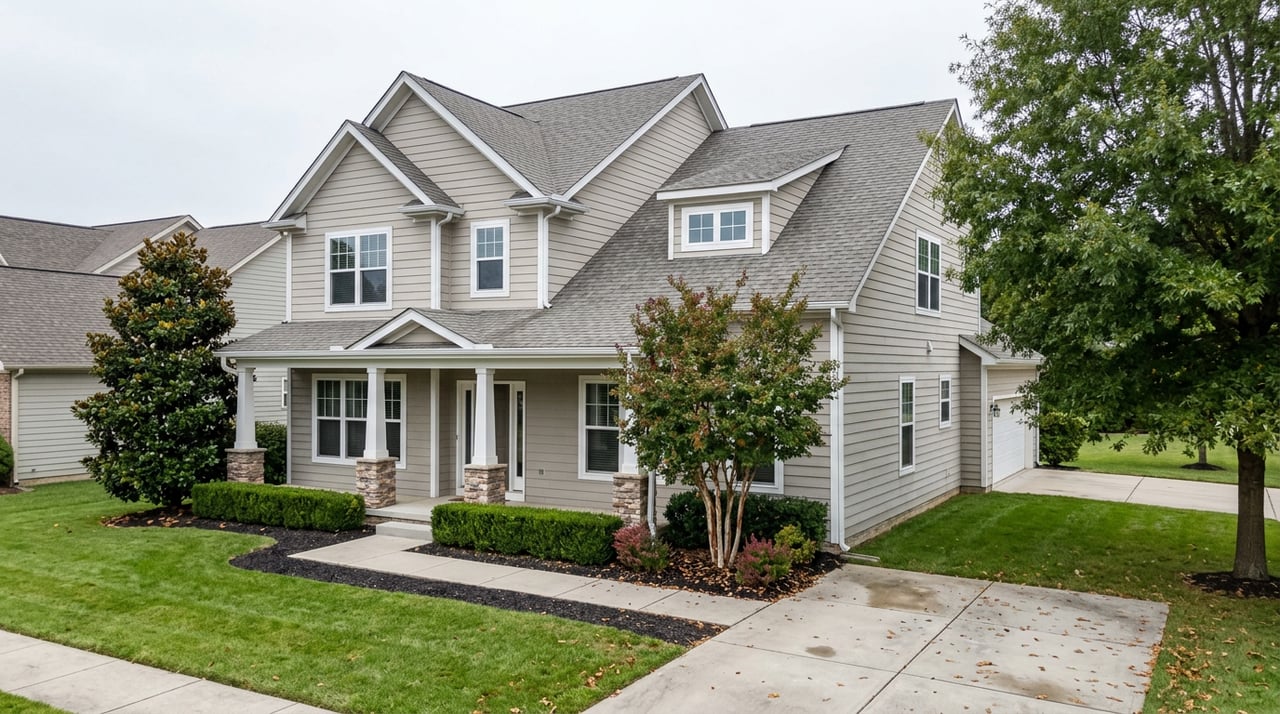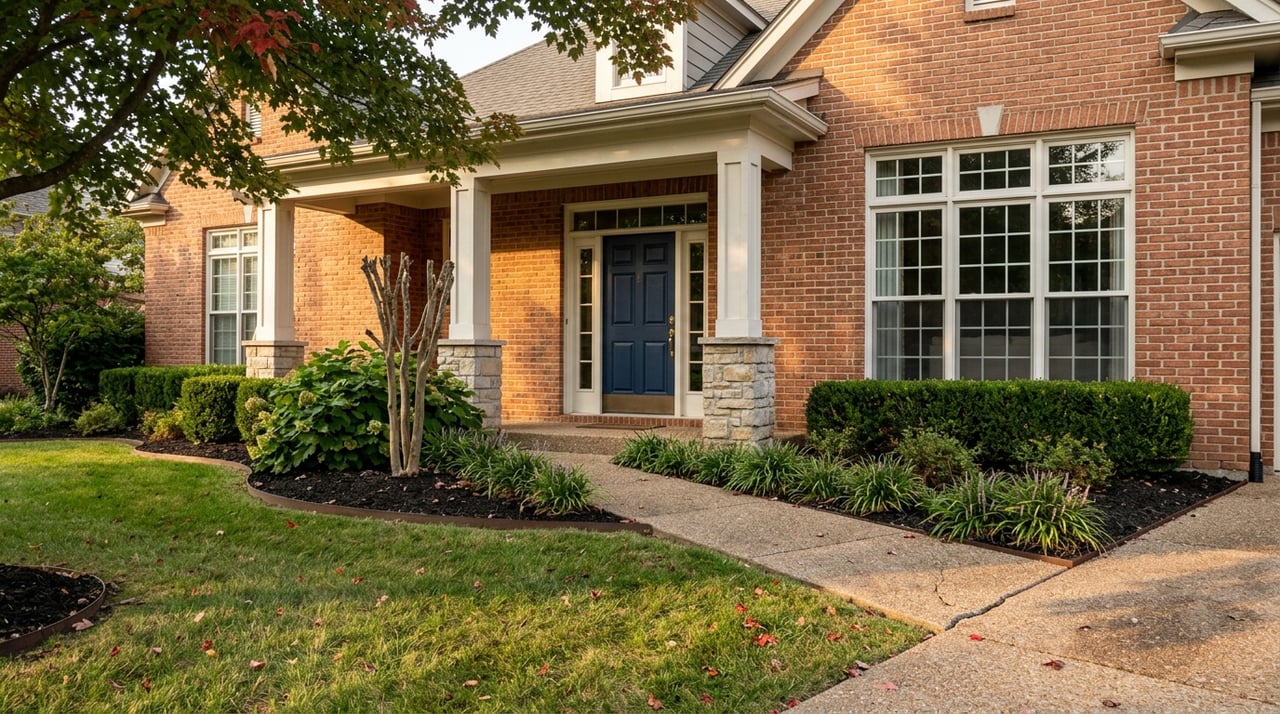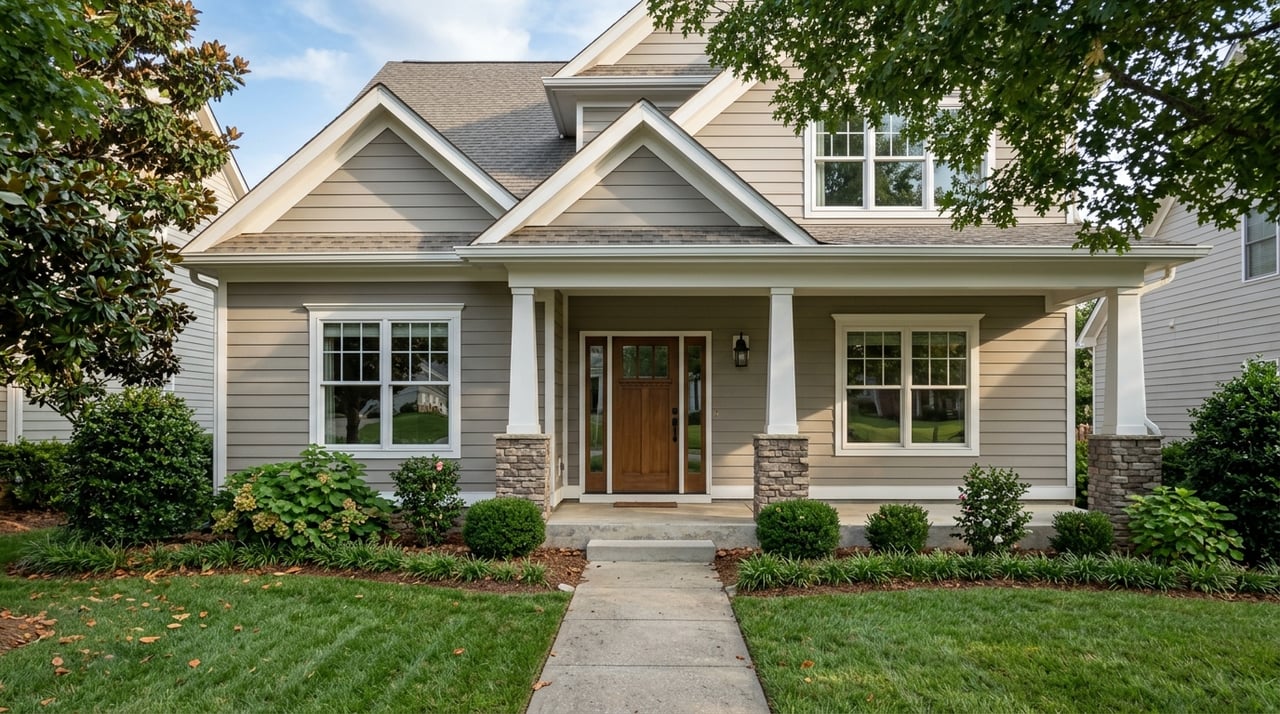
Trying to choose between Huntersville, Belmont, and Lake Wylie can feel harder than it sounds. Each area gives you a very different version of life near Charlotte, and the right fit depends on what matters most to you day to day. If you want a clearer way to compare commute options, housing styles, and lifestyle tradeoffs, this guide will help you sort through the details. Let’s dive in.
How These Three Areas Differ
At a high level, the biggest difference is simple. Huntersville offers the broadest mix of housing and commuter options, Belmont leans into a compact downtown setting with historic roots, and Lake Wylie is the most recreation-driven and lake-focused of the three.
That means your decision is less about which place is "best" and more about which one matches your routine. If you want flexibility, Huntersville may stand out. If you want a town-center feel, Belmont may feel like a better match. If shoreline access is your priority, Lake Wylie deserves a closer look.
Huntersville: Variety and Flexibility
Huntersville is the most suburban-and-growing option in this group. Official zoning materials show a wide range of development types, from farms and farmhouse clusters to neighborhood centers, town centers, and higher-density mixed-use areas, which helps explain why the area can appeal to many different types of buyers. You can review that broader land-use picture in Mecklenburg County’s zoning designations materials.
That variety shows up in real life, too. Current projects like Town1 combine retail, office, and multiple residential formats near the I-77 HOV exit, which points to a more modern, mixed-use growth pattern than you may find in the other two areas.
Huntersville housing options
If you want choices, Huntersville likely gives you the widest spread. The zoning framework includes rural, transitional residential, general residential, neighborhood residential, neighborhood center, and town center districts, with formats ranging from single houses to mixed-use and higher-intensity residential near activity centers.
For buyers who are still deciding between a traditional neighborhood, a townhome, or a more walkable mixed-use setting, that can be a real advantage. You may have more ways to match your budget and preferred lifestyle without leaving the same general area.
Huntersville commute and access
Huntersville also has the strongest mix of commuter tools in this comparison. CATS Micro service serves areas north of I-485, including Huntersville, and runs daily from 6 a.m. to 7 p.m. The same source also lists Huntersville Gateway and Huntersville-Northcross as park-and-ride access points.
If you work in or around Charlotte, those options can make a difference. You may still drive plenty, but Huntersville gives you more flexibility than a fully car-dependent setup.
Huntersville lifestyle
Huntersville can also work well if you want a mix of outdoor access and everyday convenience. Mecklenburg County lists Blythe Landing on Lake Norman with six boat ramps and 218 trailer spaces, while Huntersville’s downtown greenway, The Vine, connects Town Hall, Holbrook Park, and commercial destinations on US 21.
That combination can be appealing if you want your weekends to include time on the water, while still keeping daily errands and services close by. It is a practical blend of recreation and routine.
Belmont: Downtown Feel and Historic Character
Belmont feels different from the start. The city describes downtown as dating back to the 1750s and highlights an established historic-preservation framework, which gives the area a more rooted, compact identity than places built mostly through newer subdivision growth. You can see that context on the city’s historic preservation page.
At the same time, Belmont is not standing still. City materials point to mixed-use infill, redevelopment, and planning work that includes newer housing forms, so you get a blend of older fabric and active growth.
Belmont housing patterns
Belmont offers a mix of existing homes and newer infill projects. According to city development information cited in the research, projects include Crescent with 47 townhomes and 259 multifamily flats, along with a 325-unit multifamily community at The Morris.
For buyers, that can mean a more layered housing stock. You may find traditional homes near established areas, but you may also see newer townhomes and multifamily options tied to the city’s ongoing growth.
Belmont commute options
Belmont has the clearest direct uptown transit story in this group. The city’s bus information page says the 85X uses the Abbey Plaza Shopping Center park-and-ride and runs into uptown Charlotte. The same city source also notes that the planned LYNX Silver Line would terminate in Belmont.
If your routine includes Charlotte commuting, that direct transit connection may be one of Belmont’s biggest strengths. For some buyers, that alone can move Belmont to the top of the list.
Belmont recreation and walkability
Belmont is especially appealing if you want a small-town core with recreation woven into it. The city highlights Stowe Park, the planned Rail Trail connecting downtown Belmont to Belmont Abbey College and North Belmont, the Abbey Creek Greenway connection to Kevin Loftin Park and the recreation center, and Rocky Branch Park as a mountain-biking and trail-tourism asset.
That creates a more connected, town-centered feel. If you enjoy the idea of trails, downtown gathering spaces, and parks close to the center of town, Belmont has a strong case.
Lake Wylie: Water Access and Lower Density
Lake Wylie stands apart because the lake is the main event. Official South Carolina Department of Natural Resources materials describe Lake Wylie as a 13,433-acre reservoir with about 325 miles of shoreline, and the area’s identity in the source material centers much more on boating, fishing, camping, and shoreline parks than on town-center development.
If you picture your free time around the water, Lake Wylie may be the easiest choice. It delivers a lifestyle that feels more recreation-first and less centered on a traditional downtown or mixed-use growth pattern.
Lake Wylie housing feel
Lake Wylie tends to skew more toward detached-home neighborhoods and subdivision patterns. York County’s Lake Wylie overlay standards focus primarily on new single-family detached homes in major subdivisions, while also including standards for traditional house lots and single-family attached homes.
For buyers who want a lower-density setting, that can be a plus. If you are looking for a more subdivision-oriented environment and do not need a wide range of housing formats nearby, Lake Wylie may align well with your goals.
Lake Wylie transportation tradeoffs
Compared with Huntersville and Belmont, Lake Wylie reads as the most car-oriented option in this set of sources. York County’s materials focus on residential subdivision design, and the recreation sources emphasize shore access, boat ramps, trails, and camping rather than commuter transit.
In practical terms, you should expect heavier driving reliance here. If an easy transit option or a more straightforward commute is a top priority, that is an important tradeoff to weigh.
Lake Wylie recreation benefits
This is where Lake Wylie shines. York County’s Ebenezer Park and Allison Creek Park offer lake access with boat ramps, fishing, camping, trails, and waterfront day-use amenities, and SCDNR also describes the lake as a managed recreational fishing lake with multiple public access points and fish attractors.
If being near the water would shape your daily life, not just your weekends, Lake Wylie offers a strong lifestyle case. It is the best fit of the three for buyers who want shoreline recreation front and center.
Side-By-Side Comparison
| Area | Best For | Housing Feel | Commute/Transit | Lifestyle Focus |
|---|---|---|---|---|
| Huntersville | Buyers who want flexibility | Broad mix of homes and mixed-use formats | Strongest mix of commuter tools in this group | Lake access, greenways, retail convenience |
| Belmont | Buyers who want a compact town feel | Older fabric plus infill and newer housing forms | Direct 85X uptown option and planned Silver Line terminus | Downtown parks, trails, and connected recreation |
| Lake Wylie | Buyers prioritizing water access | More detached-home and subdivision-oriented | Most driving-dependent of the three | Boating, fishing, camping, shoreline parks |
Which Area May Fit You Best
Choose Huntersville if you want the broadest housing mix and the most flexibility in how you live and commute. It is a strong option if you value newer mixed-use nodes, suburban growth, and park-and-ride or microtransit support.
Choose Belmont if you want a more compact downtown feel, historic character, and a clearer uptown transit option. It can be a great fit if you like the idea of living near parks, trails, and a more traditional town center.
Choose Lake Wylie if lifestyle comes first and that lifestyle revolves around the water. If you are comfortable with a more driving-dependent routine in exchange for shoreline access and a lower-density setting, it may feel like the right match.
No matter which direction you are leaning, the best next step is to compare these areas through the lens of your real daily routine, not just a home search filter. If you want help narrowing down the right fit in the Charlotte and Gaston County corridor, Ashley Hannah Murphy can help you explore your options with local insight and personalized guidance.
FAQs
What is the biggest difference between Huntersville, Belmont, and Lake Wylie?
- Huntersville offers the most variety and commuter flexibility, Belmont offers the most compact town-center feel with direct uptown bus access, and Lake Wylie offers the strongest lake-focused lifestyle with more driving reliance.
Is Huntersville or Belmont better for commuting to Charlotte?
- Based on the sources reviewed, Huntersville has the strongest mix of commuter tools overall, while Belmont has the clearest direct uptown transit option through the 85X park-and-ride service.
Is Lake Wylie more car-dependent than Huntersville and Belmont?
- Yes. In this source set, Lake Wylie appears to be the most car-oriented option, with public information focused more on residential subdivisions and lake recreation than commuter transit.
Which area has the most housing variety near Charlotte?
- Huntersville appears to offer the widest range of housing types, from single houses and farmhouse clusters to mixed-use settings, townhomes, and higher-intensity residential near activity centers.
Which area is best if you want lake recreation near Charlotte?
- Lake Wylie is the strongest choice if shoreline recreation is your top priority, while Huntersville also offers lake access through Lake Norman amenities like Blythe Landing.